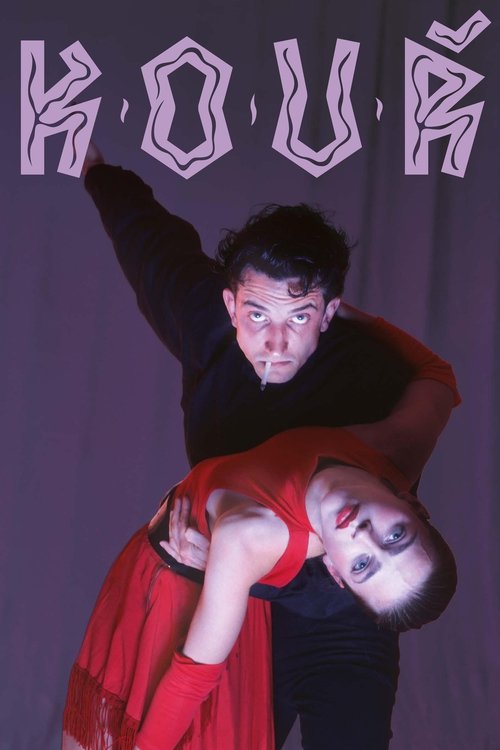
The Smoke
1991
No user ratings available yet
Representation score: 6.1 out of 10
Representation Score
Fair
1993
Director
Jan Hřebejk
Runtime
110 minutes
Average Rating
No ratings yetNew Showbiz Analysis
Big Beat is a period musical comedy that uses the introduction of Rock 'n' Roll to explore the tension between individual ability to act and systemic Communist structures. Its primary strength lies in its cultural critique, portraying the struggle for personal liberation against a rigid, state-mandated social order. While the film is progressive in its anti-authoritarian themes, its demographic diversity is limited by its historical setting. The narrative prioritizes generational conflict and cultural shifts over explicit representations of race, disability, or queer identities. Ultimately, the film functions as a study of how music and youth culture can disrupt a stagnant, highly regulated environment.
Category Breakdown
The film highlights generational differences rather than focusing on queer identities. Non-conforming behaviors are shown, but specific non-straight relationships are not central to the plot.
Female characters are portrayed in social spaces beyond domestic settings through the lens of youth rebellion. The narrative shifts focus from patriarchal elders to more fluid, youth-driven social dynamics.
The cast reflects the demographic reality of a homogeneous 1950s Czechoslovakian neighborhood. There is no multicultural casting or race-bending within this historical period piece.
The film portrays the Communist state as an obstacle to individual expression. Rock 'n' Roll serves as a powerful metaphor for Western influence challenging a closed culture.
There are no prominent depictions of visible or invisible disabilities. No character arcs are driven by disability within the provided narrative context.
Present on Screen
Limited or Absent
Official Synopsis
A period musical comedy set in a quiet Prague quarter at the end of the fifties. Using the western plot device of the "man from nowhere" a generation gap story unfolds of changing social climate. The action is driven by the character of a young man named Baby who causes a local rebellion by bringing rock'n'roll to a Communist neighborhood raised on swing.
1991
2008
1955

2018

1967
1978
1984
2007
No reviews yet. Be the first to share your thoughts on this movie!
Use the rating form above to leave a star rating and optional review.