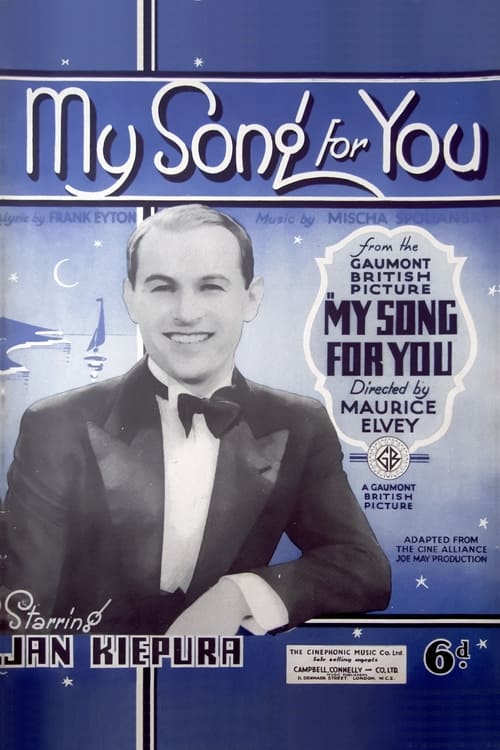
My Song for You
1934
No user ratings available yet
Diversity score: 3.0 out of 10
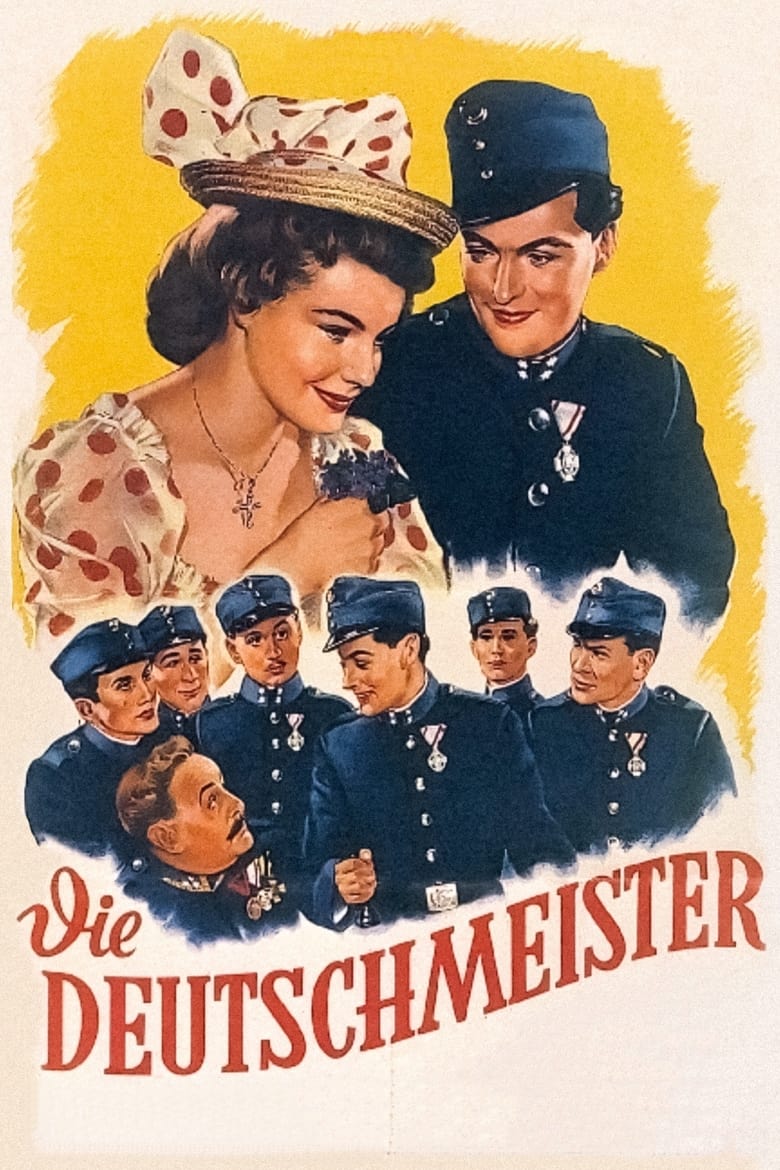
1955
Director
Ernst Marischka
Runtime
106 minutes
Average Rating
No ratings yetSynopsis
Young Stanzi who is visiting Vienna helps a young corporal and musician to become famous for his marching song "Die Deutschmeister".
Overall Score
Limited
Category Breakdown
LGBTQ+ Representation
The film centers on a traditional romance between a woman and a male musician. It operates within standard romantic tropes of its era without exploring non-cisnormative identities.
Gender Representation
Stanzi acts as a catalyst for the male lead's success, though her agency remains tied to his musical triumphs. The film follows mid-century dynamics where women facilitate male achievements.
Racial & Ethnic Diversity
As a localized Viennese production, the film focuses on Austrian musical culture. The setting and casting suggest a homogeneous European demographic consistent with regional storytelling.
Religious & Cultural Diversity
The narrative celebrates Austrian musical heritage and local identity. It portrays traditional social and musical institutions as stabilizing, positive forces rather than critiquing them.
Disability Representation
There is no mention of characters with physical or neurodivergent traits. No evidence suggests these elements are integrated into the narrative.
Strengths
Areas for Improvement
AI Analysis
Die Deutschmeister is a mid-century musical comedy that prioritizes escapism and the reinforcement of traditional social structures. The film functions as a celebration of Austrian cultural heritage, specifically through the lens of Viennese musical tradition. While the film offers a charming look at regional identity, it lacks intersectional depth. The narrative architecture relies on conventional romantic subplots and adheres to the social constraints of 1955 European cinema. Ultimately, the production focuses on preserving established cultural norms rather than subverting them or exploring diverse social hierarchies.
No reviews yet. Be the first to share your thoughts on this movie!
Use the rating form above to leave a star rating and optional review.