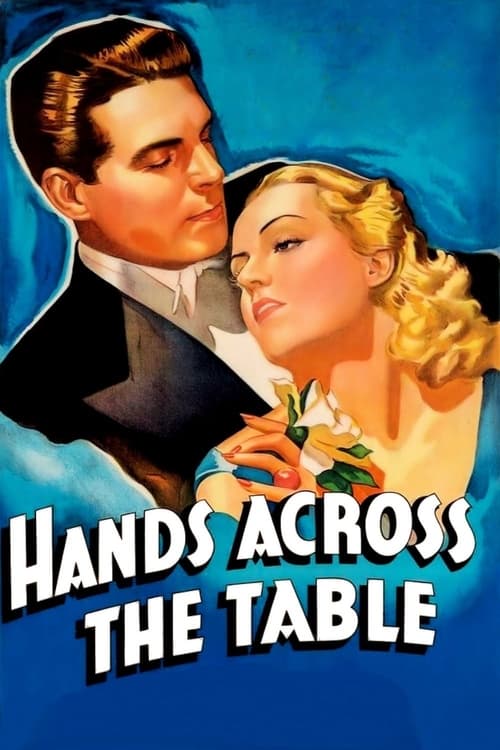
Hands Across the Table
1935
No user ratings available yet
Representation score: 0.4 out of 10

Representation Score
Minimal
1935
ApprovedDirector
William C. McGann
Runtime
63 minutes
Average Rating
No ratings yetNew Showbiz Analysis
Maybe It's Love is a typical romantic comedy from the early studio era. It centers on a young couple facing economic hardships, a common theme in 1930s films that often reinforce existing social structures rather than challenge them. The film adheres closely to the demographic and social norms of its time. It lacks representation for LGBTQ+ individuals, diverse racial groups, or people with disabilities, functioning as a conventional genre piece. While the focus on economic issues offers a glimpse into class concerns, the film prioritizes traditional domesticity and straight-centered romance over more diverse storytelling approaches.
Category Breakdown
The film does not include any characters with LGBTQ+ identities or non-cisgender traits. It follows a traditional heterosexual storyline.
The narrative seems to follow conventional gender roles from the 1930s, focusing on financial issues without showing any subversion of traditional gender dynamics.
The production appears to stick to the demographic standards of 1935 Hollywood. There is no indication of diverse casting or non-Anglo-Saxon majority.
The story emphasizes class and material stability within a traditional social structure, reinforcing the importance of the nuclear family.
The film does not depict any characters with physical or invisible disabilities. There is no representation of neurodivergent individuals.
Present on Screen
Limited or Absent
Official Synopsis
Director William C. McGann's 1935 film stars Gloria Stuart and Ross Alexander as a young couple in love who face economic woes once they're wed.
1935

1938
1937
1937
1930
1930
1935
1934
No reviews yet. Be the first to share your thoughts on this movie!
Use the rating form above to leave a star rating and optional review.