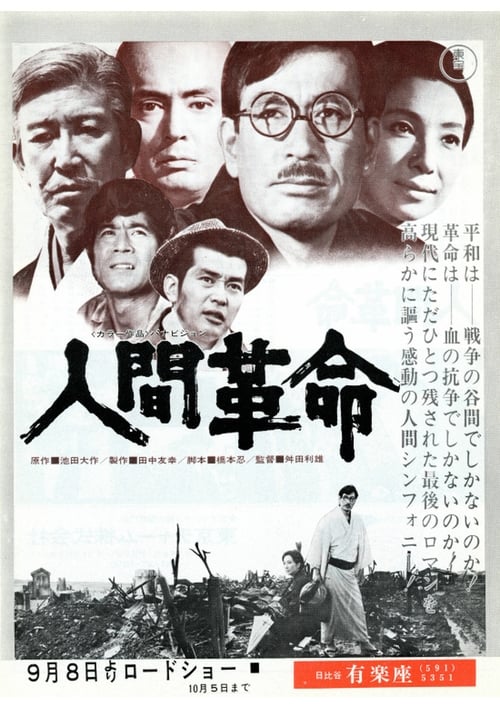
The Human Revolution
1973
No user ratings available yet
Representation score: 1.7 out of 10
Representation Score
Good
2018
Not RatedDirector
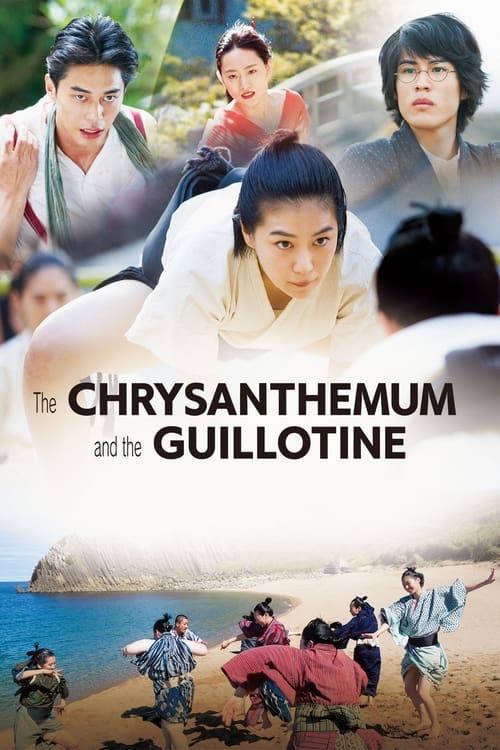
Takahisa Zeze
Runtime
189 minutes
Average Rating
No ratings yetNew Showbiz Analysis
The film excels as a post-colonial study, using the American occupation to deconstruct imperial norms and examine the collision of Western and Japanese identities. Its strength lies in its nuanced portrayal of cultural trauma and shifting social hierarchies. However, the narrative remains limited in its exploration of individual identity markers. The lack of explicit LGBTQ+ representation and the absence of disability-centric storytelling prevent a higher diversity score. Ultimately, the film is a sophisticated historical drama that prioritizes ideological and geopolitical friction over a broad spectrum of personal identity representation.
Category Breakdown
The film focuses on geopolitical and ideological shifts rather than identity politics. There is no explicit evidence of non-straight gender identities or same-sex romantic arcs driving the central narrative.
The story centers women's ability to act by following sumo athletes navigating a restrictive patriarchal era. These women act as active participants in history rather than passive observers of post-war reconstruction.
The narrative explores the friction between US military personnel and Japanese citizens. It avoids monolithic depictions, focusing instead on the complex power dynamics between the colonizer and the colonized.
The film offers a sophisticated critique of Western hegemony and the loss of indigenous sovereignty. It portrays the collapse of imperial structures and the imposition of Western democratic ideals.
There is no central depiction of neurodivergence or physical disability driving the plot. While the era implies widespread hardship, these elements are not used as primary vehicles for character's ability to drive the story.
Present on Screen
Limited or Absent
Official Synopsis
In the wake of the social unrest caused by the 1923 Great Kanto Earthquake, two female sumo athletes, Kiku and Tokachi, and an anarchist group called the Guillotine Society, spark an unlikely connection.
1973
1989
2025
1989

2017

2020
1973

2015
No reviews yet. Be the first to share your thoughts on this movie!
Use the rating form above to leave a star rating and optional review.