
The Lives of a Bengal Lancer
1935
No user ratings available yet
Representation score: 0.6 out of 10
Representation Score
Minimal
1939
NRDirector
Zoltan Korda
Runtime
129 minutes
Average Rating
No ratings yetNew Showbiz Analysis
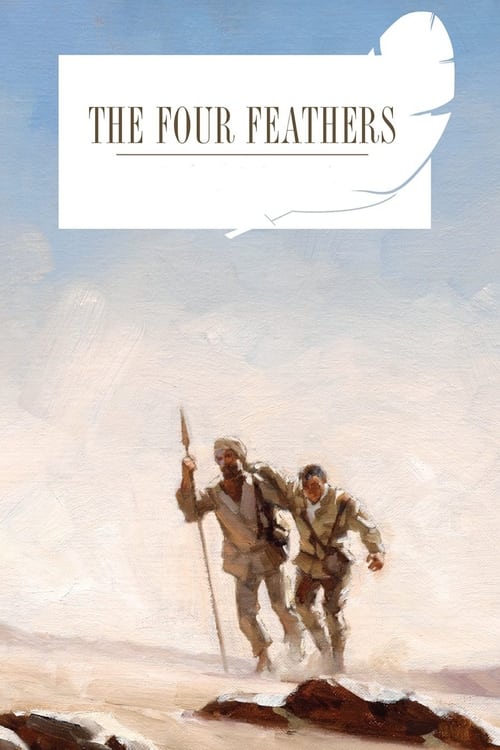
The Four Feathers reinforces early 20th-century colonial and imperial structures. The narrative upholds British military honor and rigid Victorian social expectations. Representation is heavily skewed toward the Anglo-centric officer class. While the setting is diverse, the storytelling focuses on the internal moral struggles of the British protagonists rather than the local population. Ultimately, the film lacks disruption of established racial and gender power dynamics, validating military discipline and imperial duty.
Category Breakdown
The film adheres to traditional assumptions where everyone is straight or cisgender. There are no subtextual challenges to traditional orientation norms.
Gender roles follow traditional hierarchies. While Flora is central to the emotional arc, her role remains tied to the protagonist's social reputation and honor.
The setting includes British India, but characters of color primarily serve as atmospheric backdrop. The narrative lacks depth for non-Anglo characters.
The story reinforces British imperial values and military hierarchy. It validates the colonial social order without offering critiques of Western institutions.
The film does not feature characters with visible or invisible disabilities as a central component of the narrative.
Present on Screen
Limited or Absent
Official Synopsis
A disgraced officer risks his life to help his childhood friends in battle.
1935
1943
1955
1939
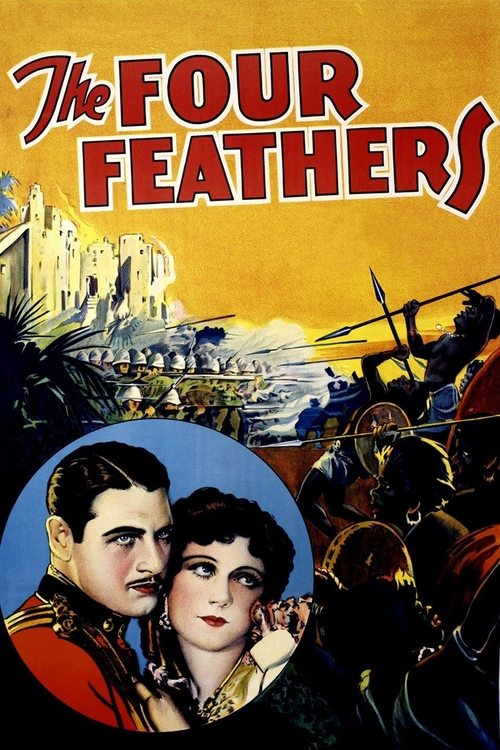
1929
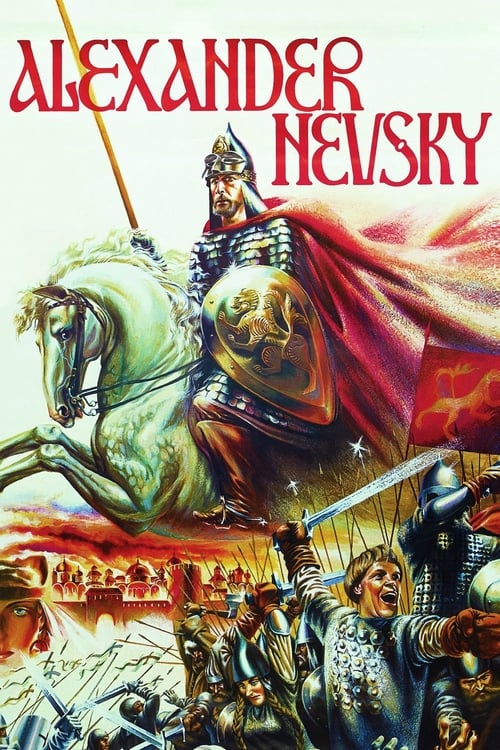
1938
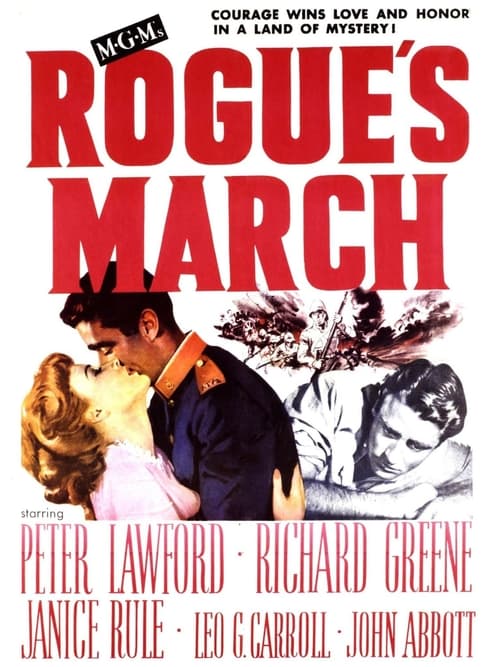
1953
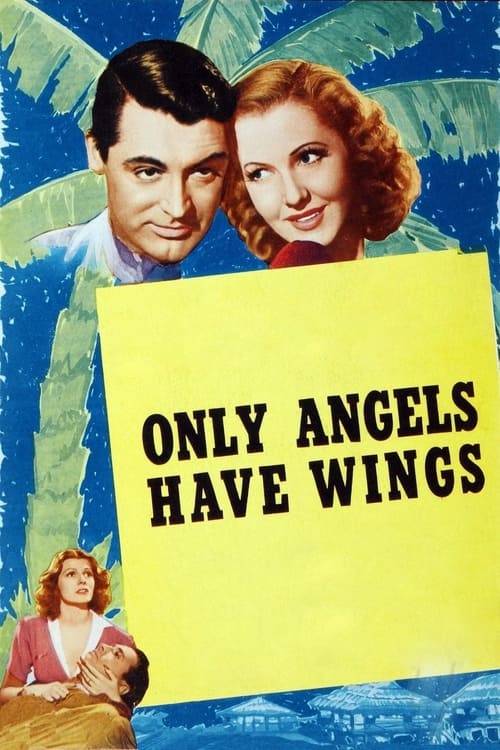
1939
No reviews yet. Be the first to share your thoughts on this movie!
Use the rating form above to leave a star rating and optional review.