
A Far Off Place
1993
No user ratings available yet
Representation score: 1.2 out of 10
Representation Score
Limited
2011
TV-PGDirector
Michael Younesi
Runtime
18 minutes
Average Rating
No ratings yetNew Showbiz Analysis
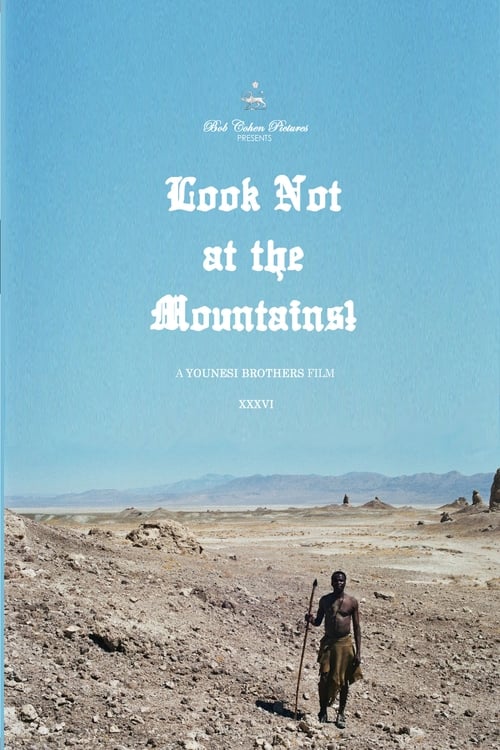
Look Not at the Mountains! functions as a period drama that engages with the friction of the colonial era. It avoids a purely celebratory depiction of Western expansion by characterizing its leader as a source of instability and madness. While the film offers a moderate capacity for cultural critique, it lacks significant progressive representation. The narrative structure remains tied to a traditional adventure framework, particularly regarding gender and identity. Without clear evidence of real power given to non-Western characters, the film's impact on diversity remains limited to its critique of institutional colonial power.
Category Breakdown
The film does not include any LGBTQ+ characters or non-cisgender identities. There are no narratives addressing the assumption that everyone is straight or cisgender.
The focus on hunters and a colonial zealot suggests a masculine-coded environment. The film seems to follow a conventional patriarchal structure typical of the adventure genre.
The 1904 African setting implies a clash between colonial and indigenous populations. While local guides are mentioned, the power dynamics seem rooted in traditional historical hierarchies.
The narrative challenges the heroic explorer cliché by portraying the leader as a mad zealot. This suggests a critique of Western imperialism and colonial authority.
There is no documented evidence regarding the portrayal of physical disabilities or neurodivergence. Mental health conditions are not explicitly detailed in the character descriptions.
Present on Screen
Limited or Absent
Official Synopsis
A team of hunters are led through the deserts of Africa by a mad Colonial zealot in 1904.
1993
1987
1995
1958
1959
2014

1970

1990
No reviews yet. Be the first to share your thoughts on this movie!
Use the rating form above to leave a star rating and optional review.