
Flight to Fury
1964
No user ratings available yet
Representation score: 1.3 out of 10
Representation Score
Minimal
1962
ApprovedDirector
George Montgomery
Runtime
89 minutes
Average Rating
No ratings yetNew Showbiz Analysis
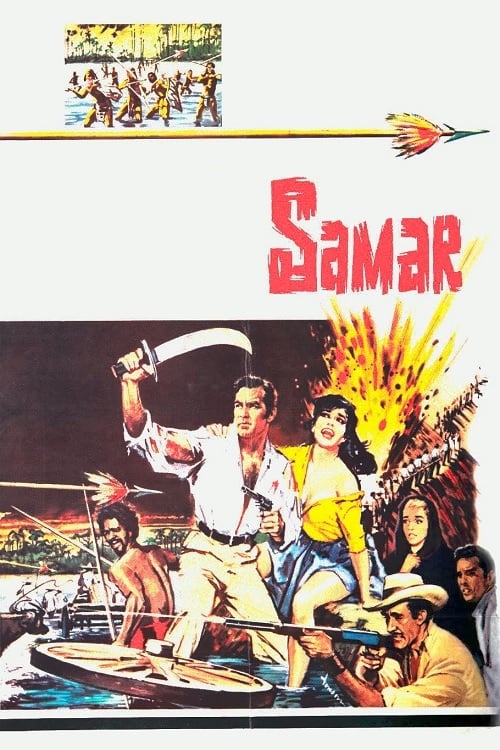
Samar is a classic adventure drama set in the 19th-century Philippines. It centers on Western protagonists—a commandant and an American doctor—navigating a colonial landscape. The film follows established genre conventions and prioritizes the experiences of Western characters. While the setting offers a diverse backdrop, the narrative maintains a colonial hierarchy where local characters play secondary roles. The film lacks attempts to deconstruct systemic power structures and instead focuses on a conventional story of survival and authority.
Category Breakdown
The film does not include any LGBTQ+ characters or non-straight identities. It follows the genre conventions of its time without featuring queer characters.
The movie reinforces traditional gender roles common in 1960s adventure films. Professional roles exist but do not challenge conventional masculine dominance or feminine stereotypes.
Set in the Philippines, the film includes local villagers, but the story focuses on Western main characters. Local characters have less influence compared to the Western protagonists.
The story supports traditional structures of authority and colonial administration. It does not critique Western institutions and focuses on themes of leadership and frontier order.
The film does not focus on visible or invisible disabilities. There are no characters with disabilities used as specific plot devices.
Present on Screen
Limited or Absent
Official Synopsis
In 1870, in the Spanish Philippines, the commandant of an island penal colony, aided by an American doctor and local villagers, decides to relocate his coastal camp to a fertile valley inland but the arduous trek is fraught with dangers.
1964
1987

1982

1954

1956

1961

1952
1952
No reviews yet. Be the first to share your thoughts on this movie!
Use the rating form above to leave a star rating and optional review.