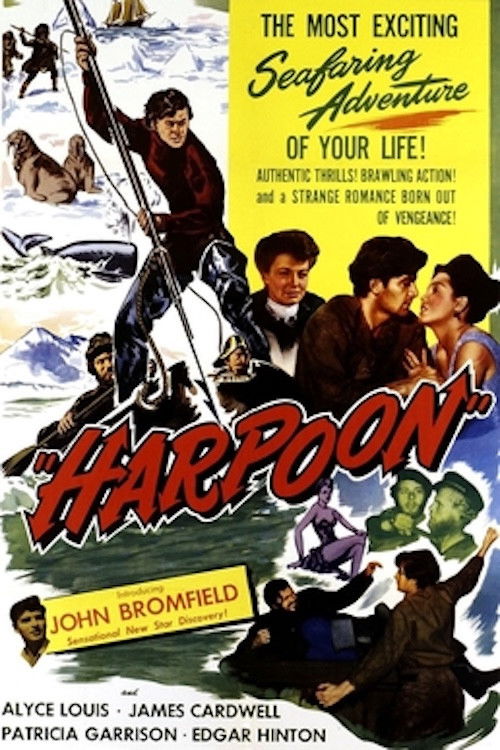
Harpoon
1948
No user ratings available yet
Diversity score: 2.7 out of 10
No Poster Available
1936
ApprovedDirector
Ken G. Hall
Runtime
85 minutes
Average Rating
No ratings yetSynopsis
A story dealing with civilization's effect and man's cruelty on the Australian outback.
Overall Score
Limited
Category Breakdown
LGBTQ+ Representation
The film lacks LGBTQ+ characters or narratives. It adheres to the cisnormative and heteronormative social structures typical of 1936 Australian cinema.
Gender Representation
The narrative centers on traditional masculine archetypes of survival and dominance. It likely follows the conventional gender roles common to 1930s adventure dramas.
Racial & Ethnic Diversity
Set in the Australian outback, the film utilizes a colonial perspective. It lacks evidence of high-agency characters of color or a non-white majority cast.
Religious & Cultural Diversity
The story explores the tension between nature and order through a moralistic lens. It operates within the patriotic and social frameworks of its era.
Disability Representation
There is no discernible evidence regarding the portrayal of physical or neurodivergent disabilities in this production.
Strengths
Areas for Improvement
AI Analysis
Wild Innocence functions as a traditional adventure drama rooted in the social constraints of the 1930s. The film focuses on the struggle between civilization and the Australian outback, utilizing established cinematic hierarchies of the period. The narrative lacks intersectional complexity or intentional disruption of systemic structures. Instead, it reinforces the conventional social and cultural norms prevalent in mid-1930s Australian filmmaking. While the setting provides a backdrop for racial and social tension, the film maintains a colonial viewpoint rather than offering diverse perspectives or progressive ideological framing.
1948
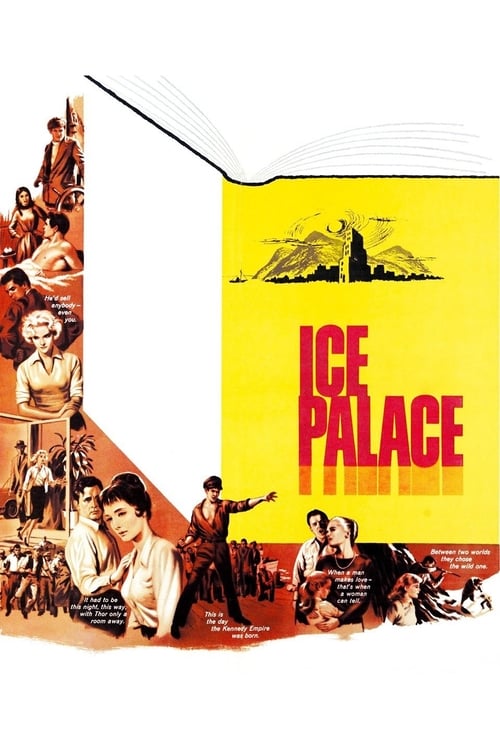
1960
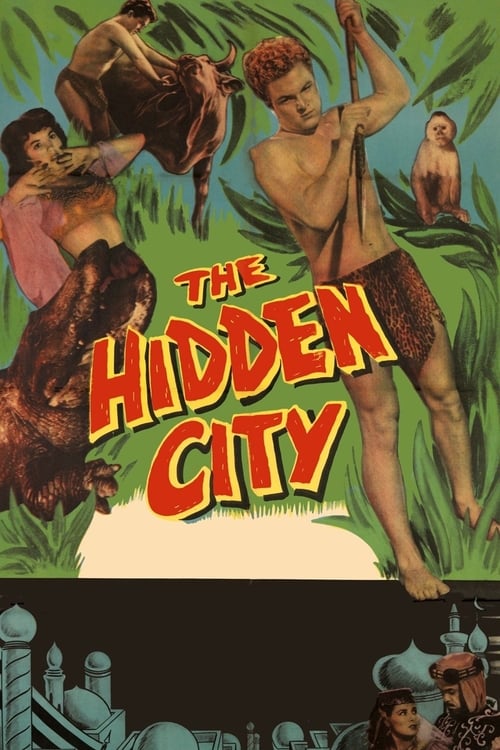
1950
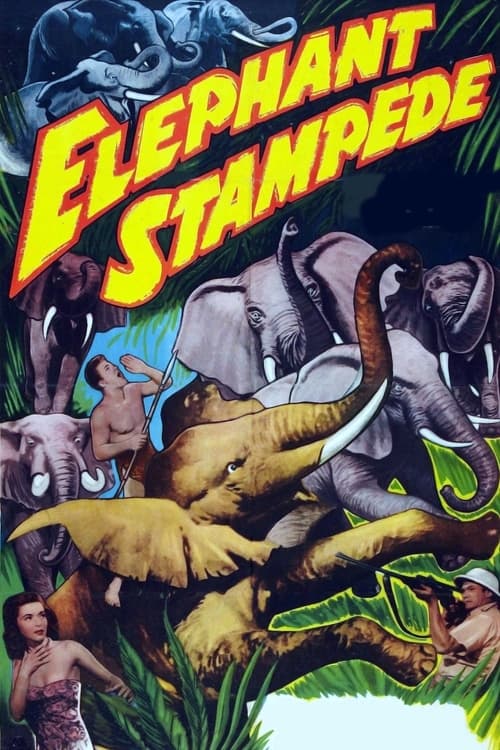
1951
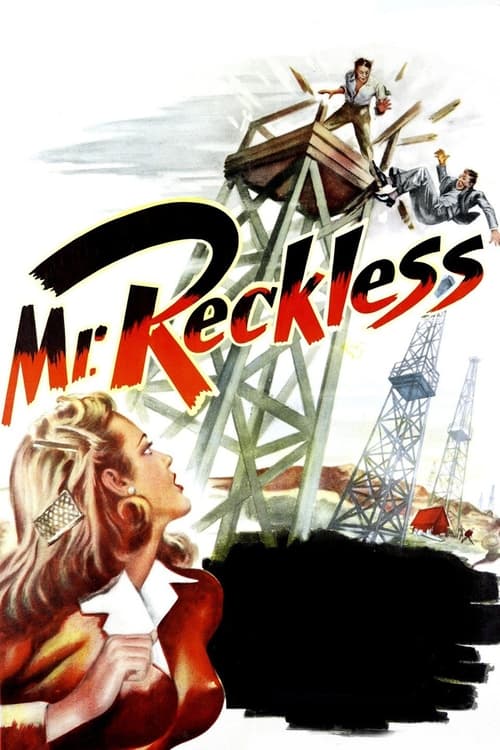
1948
1914
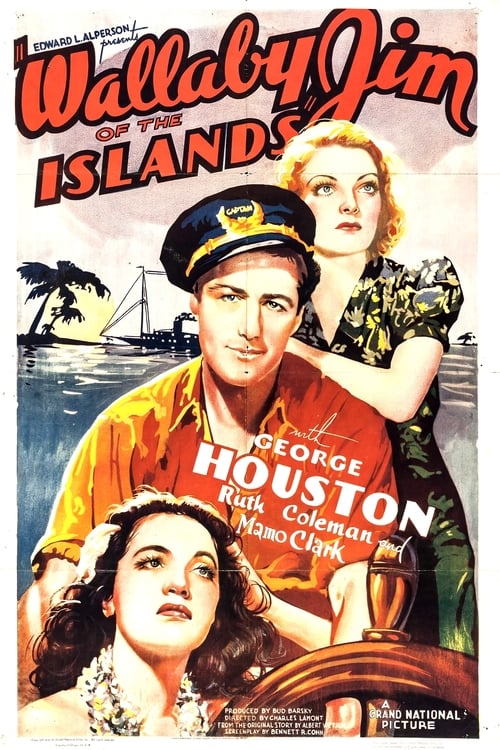
1937
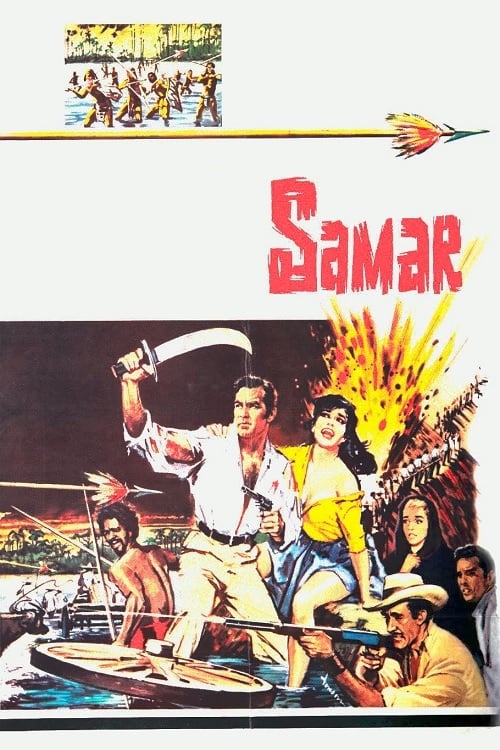
1962

1959

1934

1935
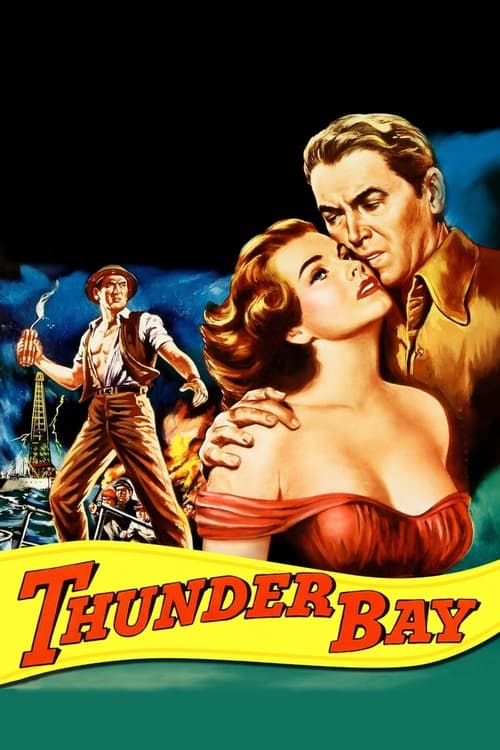
1953
No reviews yet. Be the first to share your thoughts on this movie!
Use the rating form above to leave a star rating and optional review.