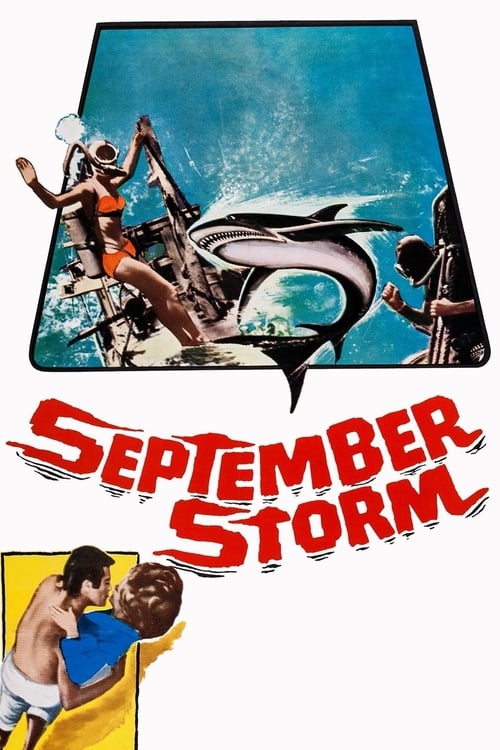
September Storm
1960
No user ratings available yet
Representation score: 1.0 out of 10
Representation Score
Minimal
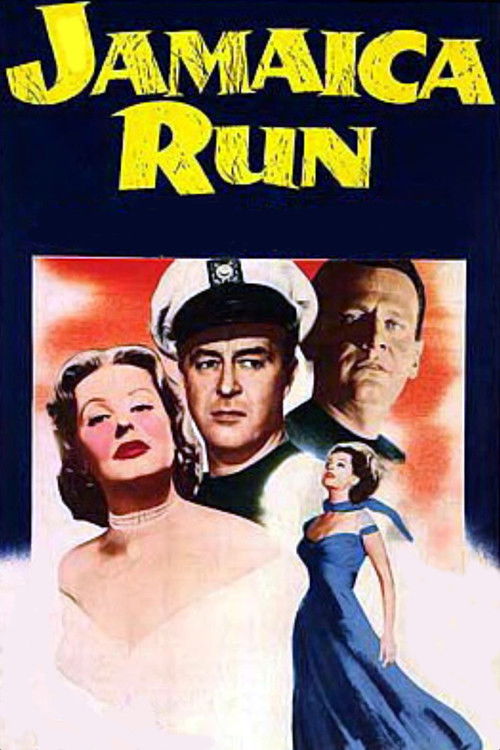
1953
NRDirector
Lewis R. Foster
Runtime
92 minutes
Average Rating
No ratings yetNew Showbiz Analysis
Jamaica Run is a traditional adventure drama that reinforces the social hierarchies of its time. The plot centers on Western interests, particularly the pursuit of property and inheritance, keeping the narrative focus narrow and colonial. While the setting provides some racial variety, the story remains centered on male protagonists. The film prioritizes high-adventure escapism over exploring diverse identities or disrupting established social roles. Ultimately, it reflects the 1950s studio system, favoring status-quo storytelling over challenging the power dynamics of its Jamaican setting.
Category Breakdown
The film follows mid-century standards where everyone is assumed to be straight. Romantic tension revolves around the conventional pairing of the male protagonist and the female lead.
The narrative emphasizes traditional gender roles where men have more control over the story. Women play more reactive roles within a patriarchal structure.
The film features Black Jamaican characters, but they are viewed through the lens of historical colonization. The power dynamics remain focused on Western characters and their goals.
The story is set within a Western framework that prioritizes property rights and individual wealth. Colonial structures are used as a plot engine without criticism.
There is no mention of physical or neurological disabilities in the character descriptions.
Present on Screen
Limited or Absent
Official Synopsis
Promoter William Montague wants to buy the estate owned by the Daceys, Mrs. Dacey and her daughter Ena and son Todd, in order to build a resort hotel. When they turn him down, he produces a couple of distant relatives, Janice and Robert Clayton, and sets about to prove that the estate rightfully belongs to them. The identity of the rightful heirs is thought to be buried in a sunken ship off of the Jamaican shore and the search begins, led by a schooner skipper, Patrick Fairlie, who is in love with Ena.
1960
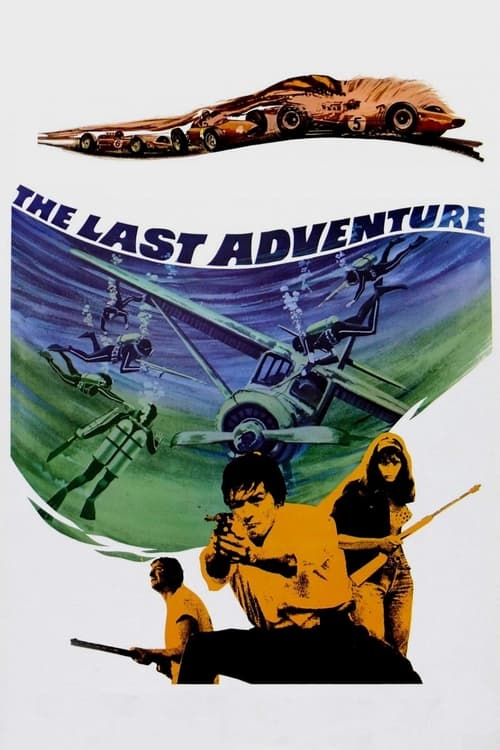
1967
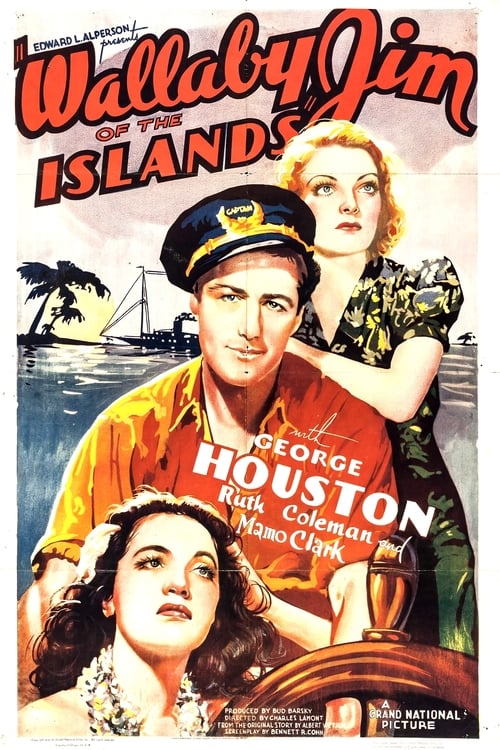
1937
1963
1953
1950

1928
1950
No reviews yet. Be the first to share your thoughts on this movie!
Use the rating form above to leave a star rating and optional review.