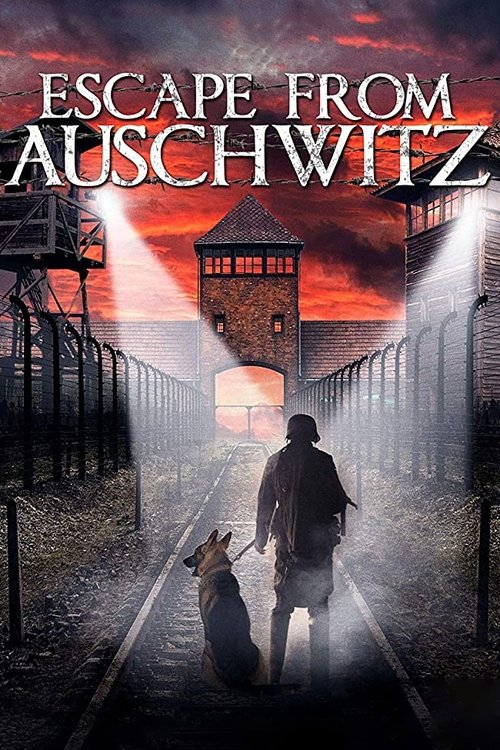
The Escape from Auschwitz
2020
No user ratings available yet
Diversity score: 5.6 out of 10

2019
Director
Terry Lee Coker
Runtime
101 minutes
Average Rating
No ratings yetSynopsis
This is a tale of how the angel of life was confronted by the angel of death. Set in Auschwitz Birkenau, 1944.
Overall Score
Limited
Category Breakdown
LGBTQ+ Representation
The film offers no evidence of non-cisnormative gender identities. There are no narratives addressing heteronormativity within the current character descriptions.
Gender Representation
The story focuses on archetypal figures rather than nuanced gender agency. There is no indication of subverting traditional gender hierarchies.
Racial & Ethnic Diversity
The Auschwitz setting inherently involves extreme racial and ethnic stratification. However, the specific racial identities of the protagonists remain unconfirmed.
Religious & Cultural Diversity
The narrative leans toward traditional historical drama. It focuses on archetypal struggles rather than a critique of modern social or secular structures.
Disability Representation
There is no mention of neurodivergence or physical disabilities. No mental health conditions are utilized as central character arcs.
Strengths
Areas for Improvement
AI Analysis
The Angel of Auschwitz functions as a traditional historical drama centered on moral archetypes. The narrative focuses on the gravity of its 1944 setting rather than the intentional subversion of social hierarchies or intersectional identities. While the historical context of the Holocaust necessitates an engagement with ethnic identity, the film lacks specific details regarding progressive casting or diverse character agency. The focus remains on the conflict between the 'angel of life' and the 'angel of death.' Ultimately, the film does not appear to prioritize contemporary cultural deconstruction. It relies on established historical frameworks rather than disrupting conventional social norms.
2020
2018
1991

2016

2001
1961

2016

1975
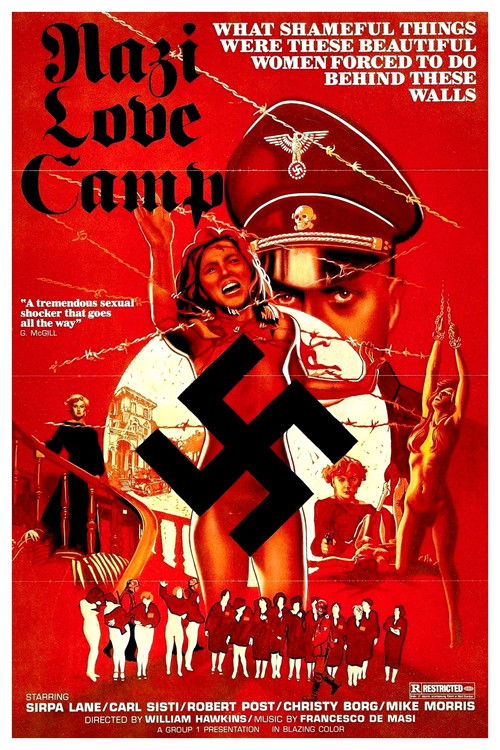
1977

1994

1983
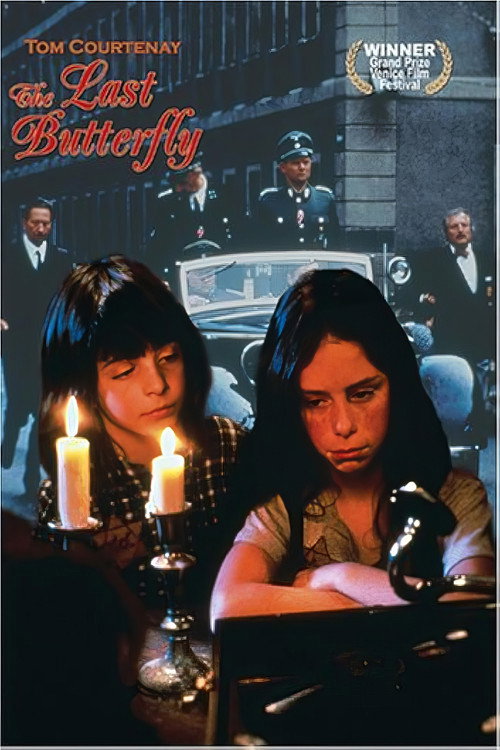
1991
No reviews yet. Be the first to share your thoughts on this movie!
Use the rating form above to leave a star rating and optional review.