
Son of Saul
2015
No user ratings available yet
Representation score: 5.0 out of 10
Representation Score
Fair
2001
RDirector
Tim Blake Nelson
Runtime
108 minutes
Average Rating
No ratings yetNew Showbiz Analysis
The film is a harrowing exploration of the Jewish experience during the Holocaust, specifically through the lens of the Sonderkommando. It excels at deconstructing traditional Western morality and exploring ethnic identity under systemic oppression. However, the historical setting creates significant gaps in gender and LGBTQ+ representation. The narrative is almost entirely male-centric, reflecting the specific prisoner units depicted without room for broader social roles. Ultimately, the film's strength lies in its cultural and racial depth, challenging sanitized historical perspectives through a lens of extreme situational ethics.
Category Breakdown
The film focuses strictly on the historical reality of the Sonderkommando units and does not include any queer narratives or representations of non-cisgender identities.
The cast is predominantly male, reflecting the historical setting of the prisoner units. The narrative lacks opportunities for women's ability to drive the story, as the environment is defined by survival-based male camaraderie.
The film provides a profound exploration of Jewish identity under extreme systemic oppression. It avoids heroic clichés, focusing instead on the complex situations faced by prisoners.
The story disrupts conventional Western moral frameworks by presenting a world where traditional virtues are rendered impossible. It portrays the state-sponsored machinery as the source of dehumanization.
The film depicts the profound physical and psychological degradation of the human body. This systemic exhaustion serves the broader narrative of atrocity rather than individual character development.
Present on Screen
Limited or Absent
Official Synopsis
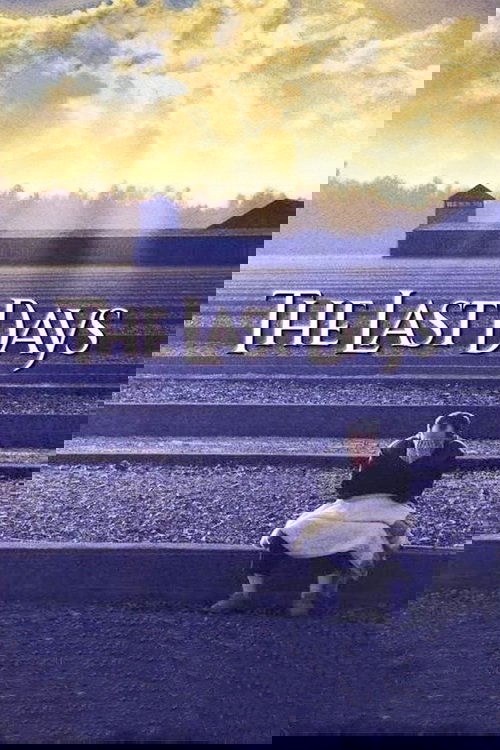
The story of Auschwitz's twelfth Sonderkommando — one of the thirteen consecutive "Special Squads" of Jewish prisoners placed by the Nazis in the excruciating moral dilemma of assisting in the extermination of fellow Jews in exchange for a few more months of life.
2015

1965
2007
1987

2009
2015

2023
1998
No reviews yet. Be the first to share your thoughts on this movie!
Use the rating form above to leave a star rating and optional review.