
The Diary of Anne Frank
2016
No user ratings available yet
Representation score: 3.6 out of 10
Representation Score
Fair
2016
Director
Kai Wessel
Runtime
126 minutes
Average Rating
No ratings yetNew Showbiz Analysis
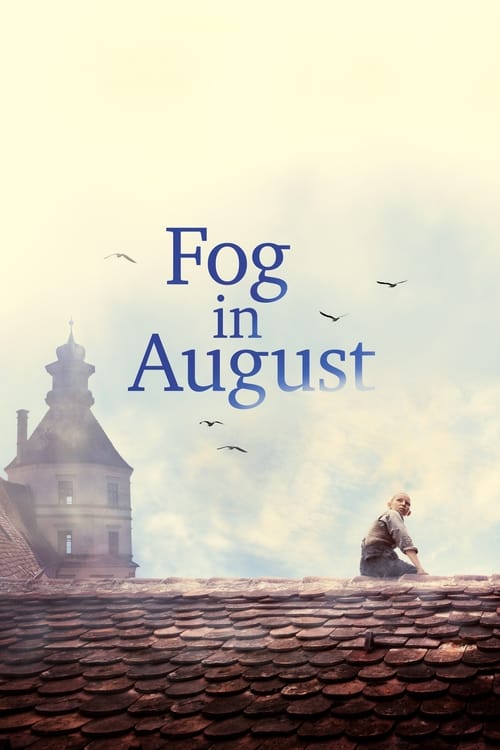
Fog in August is a serious biographical drama that centers on the Yenish people, a historically persecuted ethnic group. By focusing on a Yenish child navigating the Nazi euthanasia program, the film provides a critical perspective on how totalitarian regimes target specific ethnic and social groups. The film effectively portrays disability and ethnic exclusion. It presents the protagonist's neurodivergence as a site of resistance against a state that views non-conformity as grounds for elimination. However, the film's narrow demographic focus limits its scope. The heavy emphasis on male characters and the lack of LGBTQ+ representation result in a narrative that feels somewhat one-dimensional in its social landscape.
Category Breakdown
The film does not include any explicit LGBTQ+ identities or relationships. It focuses on the protagonist's survival and interactions with peers and authority figures.
The story is predominantly centered around young boys and male authority figures. Female characters play minor roles and do not have significant influence on the plot.
The film highlights the Yenish people, an ethnic group that has historically faced systemic exclusion. It uses this identity to critique state-sponsored discrimination and dehumanization.
The film portrays the Nazi state as an oppressive force, using medical and bureaucratic systems to carry out social cleansing and destruction.
The story explores how society labels neurodivergence. The protagonist resists being a passive victim by attempting to sabotage the medicalized program designed to eliminate him.
Present on Screen
Limited or Absent
Official Synopsis
A Yenish boy is placed in a mental hospital and experiences the Nazi euthanasia program. Aware of what was happening and attached to friends, the lad attempts to sabotage the program. The film addresses the complexities of the program director, the lives of the child victims, and the struggles of the child protagonist. More than five thousand children died in the Nazi euthanasia program.
2016
2020
1988
2015
1986

2007
2017
2001
No reviews yet. Be the first to share your thoughts on this movie!
Use the rating form above to leave a star rating and optional review.