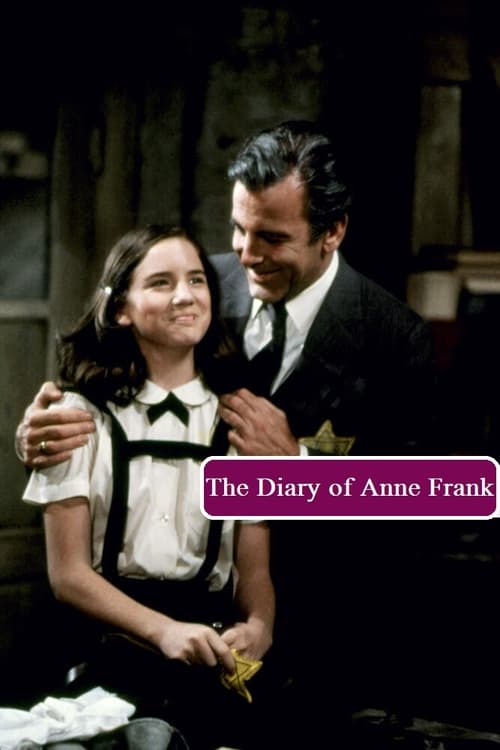
The Diary of Anne Frank
1980
No user ratings available yet
Representation score: 5.8 out of 10

Representation Score
Limited
2016
Director
Hans Steinbichler
Runtime
128 minutes
Average Rating
No ratings yetNew Showbiz Analysis
This biographical drama emphasizes historical realism and psychological depth over contemporary identity clichés. It successfully centers the Jewish experience and provides nuanced female character arcs within a high-stakes survival setting. However, the film's strict adherence to the 1940s historical context means it lacks representation for LGBTQ+ identities and disabilities. The narrative is shaped by the specific constraints of the Holocaust era. Ultimately, the film stands as a significant work of empathy, challenging the dominant narratives of the period by focusing on the human cost of systemic persecution and the resilience of its central figures.
Category Breakdown
The film follows the social norms of the 1940s and does not depict any LGBTQ+ identities or queer subtext.
The narrative focuses on the female experience, highlighting the resilience and ability to act of Anne, Margot, and Edith Frank. It avoids the 'passive victim' cliché by showing their intellectual and emotional independence.
The film centers the Jewish experience, offering a deep look at a underrepresented group facing systemic persecution. It provides insight into the identity of the family during the Holocaust.
The story critiques authoritarian structures by depicting the Nazi regime as a destructive force. It avoids idealized family portrayals to show realistic domestic tension and survival-driven dysfunction.
The film does not feature any characters with visible or invisible disabilities, nor does it depict neurodivergence or chronic illness as central plot devices.
Present on Screen
Limited or Absent
Official Synopsis
The story of Anne Frank, the Jewish girl who went into hiding with her family in Amsterdam and became a victim of the Holocaust.
1980
1959

2015

2019
1988

2007

2012

1999
No reviews yet. Be the first to share your thoughts on this movie!
Use the rating form above to leave a star rating and optional review.