
Manhunt
2012
No user ratings available yet
Representation score: 4.5 out of 10
Representation Score
Limited
2018
Director
Terry Lee Coker
Runtime
87 minutes
Average Rating
No ratings yetNew Showbiz Analysis
The film operates as a traditional historical drama centered on the psychological erosion of an SS officer. It emphasizes a singular, masculine perspective of complicity during the Holocaust rather than offering a broad, multi-layered view of the era. While the narrative delves into the profound moral complexities of systemic oppression, it lacks representation for underrepresented groups. The focus remains on the perpetrator's internal conflict, leaving the experiences of victims and diverse identities largely unexplored. Ultimately, the film adheres closely to a conventional framework of individual conscience within a totalitarian regime.
Category Breakdown
The film does not include any LGBTQ+ characters or narratives that question the assumption that everyone is straight or cisgender. The story focuses on the wartime duties and moral dilemmas faced by the main character.
The story centers around a male protagonist within a male-dominated military structure. There is no indication of female characters having significant influence or challenging traditional hierarchies.
The story is set against the backdrop of Nazi-occupied Poland, highlighting the racial hierarchies of the time. The perspective focuses on the realization of the perpetrator rather than the experiences of the diverse ethnic groups being oppressed.
The film critiques the morality of the Nazi regime and institutionalized evil. However, the themes center on individual moral responsibility within a specific historical context.
There is no mention of characters dealing with physical, sensory, or neurodivergent challenges.
Present on Screen
Limited or Absent
Official Synopsis
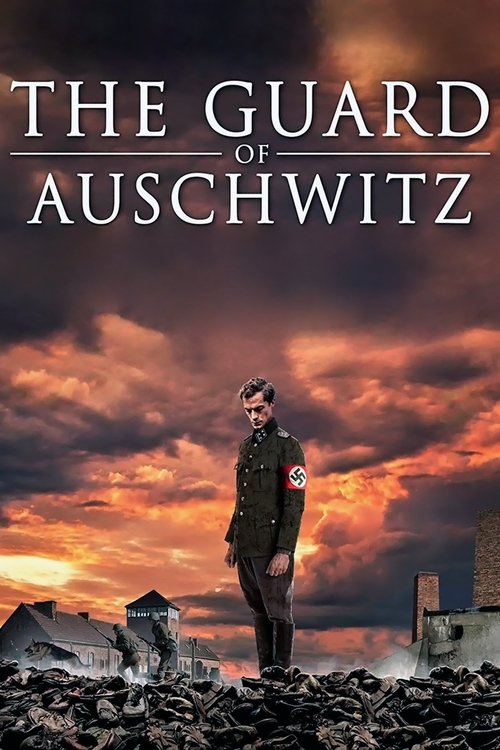
Nazi occupied Poland, during the World War II. Hans, a former brilliant student, has become an SS officer stationed at the Auschwitz-Birkenau concentration camp. When he is commissioned by his superior officer to build an efficient gas chamber, Hans, facing the harsh reality, begins to realize the magnitude of the atrocious acts of which he is being accomplice.
2012
2001
2020
1987

2006
2015

2004

1965
No reviews yet. Be the first to share your thoughts on this movie!
Use the rating form above to leave a star rating and optional review.