
The Angel of Auschwitz
2019
No user ratings available yet
Diversity score: 2.1 out of 10
2020
TV-MADirector
Terry Lee Coker
Runtime
80 minutes
Average Rating
No ratings yetSynopsis
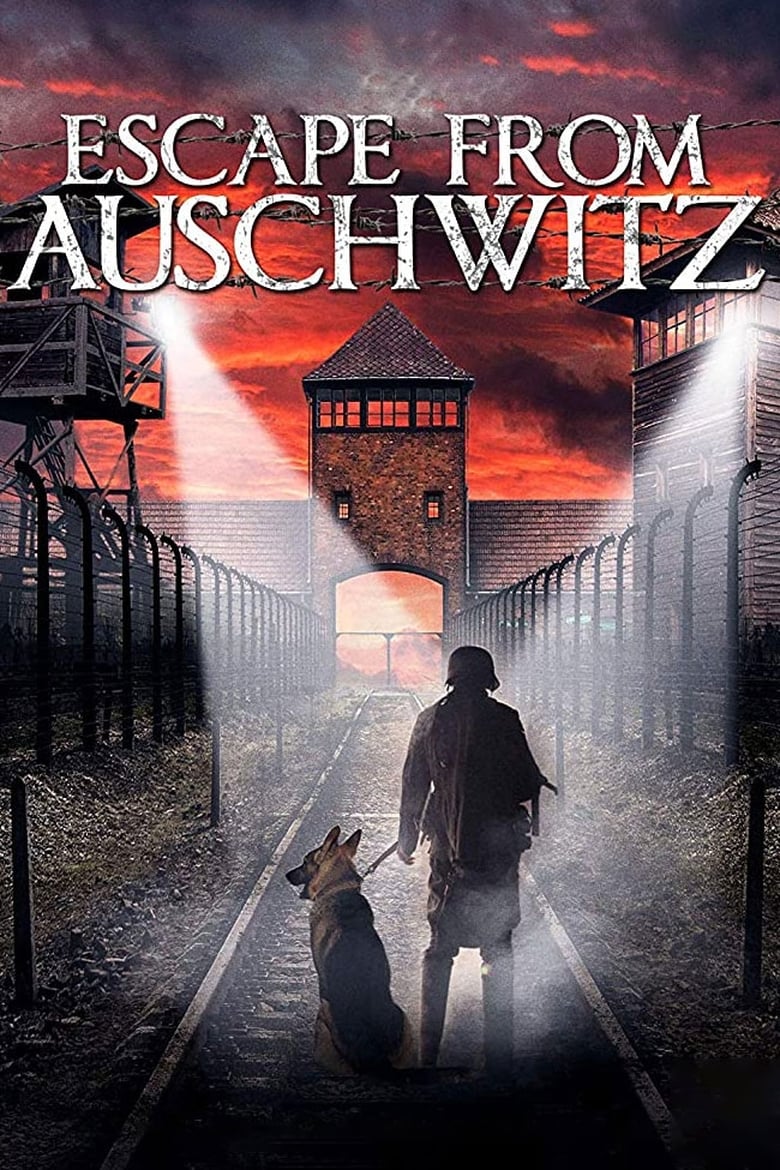
After an attempt to escape the SS in 1939, Kazimierz Piechowski is captured at the Hungarian border and sent to Auschwitz where his role is to transfer corpses from the gas chambers to the crematorium. After discovering that one of his friends in the camp is on the execution list, he vows to stop at nothing to prevent his death. In one of the most remarkable true stories of World War II, four men will risk their very lives as they attempt to ‘Escape from Auschwitz’.
Overall Score
Fair
Category Breakdown
LGBTQ+ Representation
The film lacks explicit depictions of non-cisnormative identities or same-sex intimacy. The narrative focuses on the camaraderie between male prisoners without addressing LGBTQ+ themes.
Gender Representation
The story is centered on a male-dominated historical context involving the SS and male prisoners. It does not provide significant agency to female characters within the camp system.
Racial & Ethnic Diversity
By centering Polish and Jewish prisoners, the film disrupts Anglo-centric wartime tropes. It provides meaningful representation of ethnic identity and agency under systemic oppression.
Religious & Cultural Diversity
The narrative critiques Western institutional power by portraying the Nazi regime as a corrupt, dehumanizing force. It prioritizes individual survival against a monolithic state.
Disability Representation
There is no specific evidence regarding the portrayal of physical or neurodivergent disabilities. The film's focus remains on the high-stakes survival of the prisoners.
Strengths
Areas for Improvement
AI Analysis
The film serves as a historical reclamation of agency, shifting the focus from aggressors to the marginalized subjects of the Holocaust. It succeeds in disrupting conventional wartime tropes by centering the resilience of the oppressed. While the film is constrained by its historical setting—limiting gender and LGBTQ+ visibility—it provides a platform for non-Western ethnicities to drive the central conflict. This focus on individual agency against state-sponsored oppression is its primary narrative strength. Ultimately, the work functions as a critique of absolute state authority, though it remains demographically narrow due to the specific historical period it depicts.
2019
2014
2018
1961

2014
2018
1948
2012

1963

2016

2001
1991
No reviews yet. Be the first to share your thoughts on this movie!
Use the rating form above to leave a star rating and optional review.