
In the Arms of My Enemy
2007
No user ratings available yet
Representation score: 3.6 out of 10
Representation Score
Fair
2007
Not RatedDirector
Laurent Boutonnat
Runtime
140 minutes
Average Rating
No ratings yetNew Showbiz Analysis
Jacquou the Rebel is a period drama that prioritizes historical atmosphere and class conflict over demographic variety. While it lacks representation for LGBTQ+ individuals, diverse racial groups, or people with disabilities, it excels in its thematic depth regarding social structures. The film succeeds by deconstructing the myth of noble leadership, instead framing the aristocracy as a systemic evil. This provides a powerful lens through which to view justice and institutional corruption. Ultimately, the film is a study of class warfare. It focuses on the ability to act of the underrepresented peasantry against an exploitative social order.
Category Breakdown
The film follows strict conventions that assume everyone is straight or cisgender, typical of the early 19th century. There are no representations of non-assuming gender matches what was assigned at birth identities or same-sex relationships.
Female characters act as emotional catalysts but often have roles defined by their relationships to men. The plot emphasizes masculine pursuits of vengeance and rebellion.
The cast is predominantly white Europeans, reflecting the historical setting of post-Napoleonic France. This leads to a lack of diverse racial backgrounds.
The film offers a sophisticated critique of feudalism and systemic class oppression, celebrating the peasantry's struggle against a corrupt aristocracy.
There is no significant focus on neurodivergence or physical disabilities. Characters are defined by their socioeconomic status and political involvement rather than their experiences with disabilities.
Present on Screen
Limited or Absent
Official Synopsis
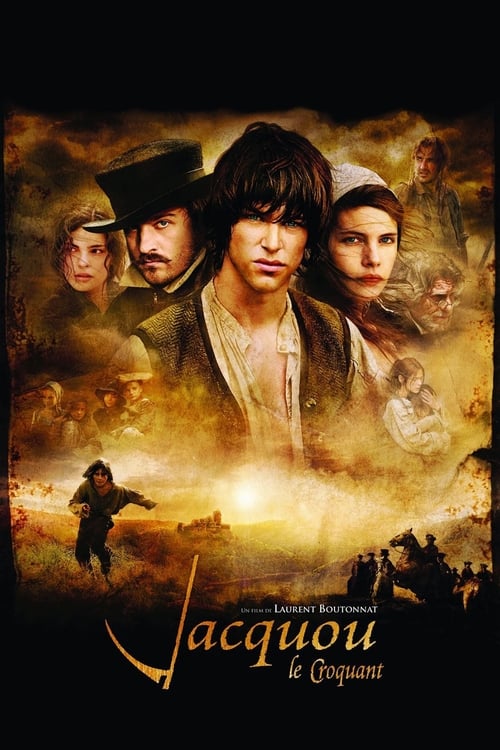
In 1815, young Jacquou lives an idyllic peasant life with his parents in the Périgord region of France. But one day, his childhood happiness is cruelly ended when his father is arrested, after a dispute with the arrogant Count de Nansac. With both his parents dead, Jacquou is adopted by Bonal, a kind priest, under whose influence he grows into an assured, morally upright young man. Now an adult, Jacquou has one desire. To repay the Count de Nansac for the evil he once inflicted on his parents...
2007
1925
1958
1997
1943

1967
1976

1995
No reviews yet. Be the first to share your thoughts on this movie!
Use the rating form above to leave a star rating and optional review.