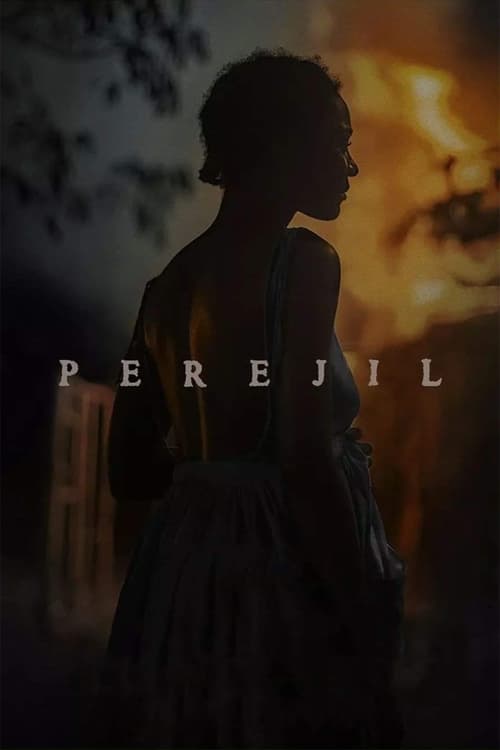
Parsley
2022
No user ratings available yet
Representation score: 4.2 out of 10

Representation Score
Limited
2016
TV-PGDirector
Fernando Baez Mella
Runtime
110 minutes
Average Rating
No ratings yetNew Showbiz Analysis
Sugar Fields functions as a historical drama that uses class-based conflict to challenge established power structures. By focusing on a peasant's resistance against an abusive guard, the film critiques institutional authority and systemic oppression. While the film provides social critique, it remains tied to conventional narrative structures. The protagonist's primary goal is restoring a traditional family unit, which limits the scope of its social exploration. Ultimately, the work lacks multi-layered depth. Without evidence of diverse casting or non-straight-centered arcs, it stays within the bounds of a standard historical drama focused on survival and domesticity.
Category Breakdown
The film does not include any LGBTQ+ identities or same-sex relationships. The story centers on a traditional family unit.
The narrative challenges power imbalances by showing a protagonist resisting an abusive authority figure. However, the story remains focused on traditional domestic roles and family unity.
The setting and focus on peasant life suggest a narrative centered around class and potential ethnic struggles. The conflict often symbolizes underrepresented groups fighting systemic oppression.
The film critiques institutional stability by portraying state authority as a source of trauma. It emphasizes the perspective of those who are oppressed by systemic forces.
There is no visible evidence of the portrayal of physical, neurodivergent, or sensory disabilities in this work.
Present on Screen
Limited or Absent
Official Synopsis
A young peasant is forced to flee for killing involuntarily an abusive guard. After an entire year hiding in a remote fishing island, he decides to return to his countryside and reunite with his wife and daughters.
2022

1964

2013
2002
2015

2019

2015

1989
No reviews yet. Be the first to share your thoughts on this movie!
Use the rating form above to leave a star rating and optional review.