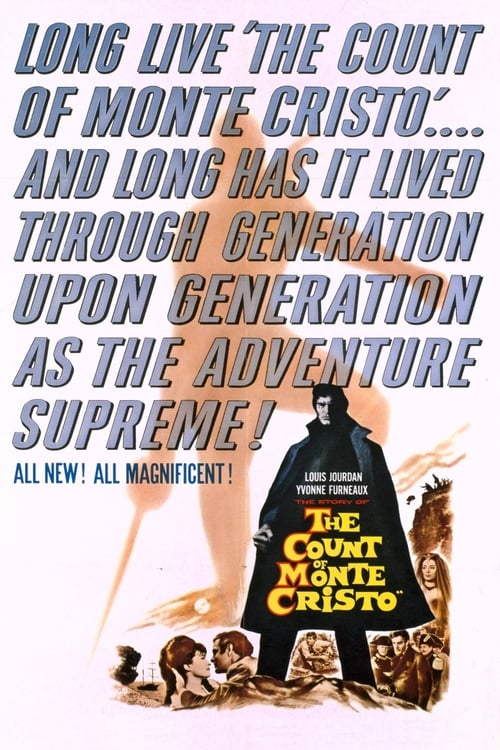
The Count of Monte Cristo
1961
No user ratings available yet
Representation score: 2.2 out of 10
Representation Score
Limited
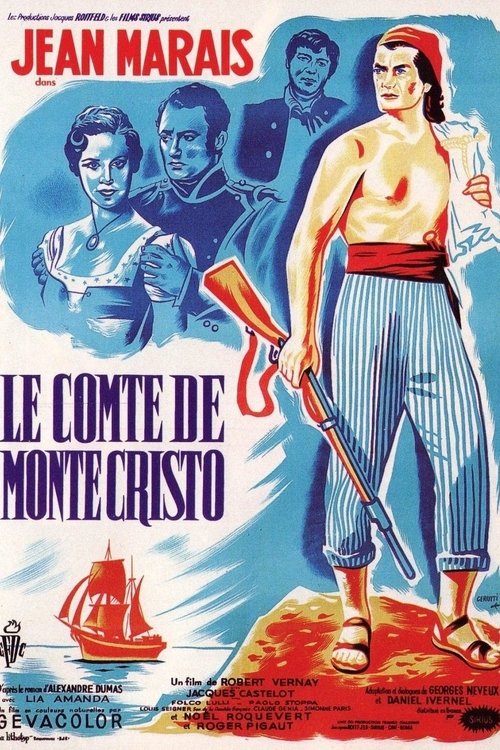
1954
NRDirector
Robert Vernay
Runtime
183 minutes
Average Rating
No ratings yetNew Showbiz Analysis
This 1954 adaptation of *The Count of Monte Cristo* emphasizes historical realism and traditional storytelling. Its structure is rooted in the social hierarchies of the early 19th century, limiting its diversity in several areas. While it lacks significant representation regarding race, gender, and sexuality, it offers a sophisticated critique of systemic corruption. The narrative effectively challenges the notion of infallible legal institutions by presenting them as architects of injustice. Ultimately, the film serves as a character study of vengeance and class mobility, but through a narrow lens of European identity.
Category Breakdown
The film focuses on traditional heterosexual relationships, with the central romance between Edmond Dantès and Mercedes. There are no depictions of same-sex intimacy or relationships.
Female characters such as Mercedes play important roles as emotional anchors for the male protagonist. However, they lack the power to drive the main political and revenge themes of the plot.
The cast is predominantly white and European, reflecting the historical context of the source material but lacking ethnic diversity.
The story explores institutional corruption and the impact of socioeconomic status. It questions the infallibility of state institutions and delves into moral relativism through the protagonist's quest for vengeance.
Abbé Faria is portrayed as eccentric but wise, serving more as a tool for the protagonist's growth than a nuanced depiction of neurodivergence.
Present on Screen
Limited or Absent
Official Synopsis
Young sailor Edmond Dantès is wrongfully imprisoned, escapes, finds treasure, and reinvents himself as the wealthy Count of Monte Cristo to exact revenge on those who betrayed him.
1961
1975
1943
1959

1951
1967
1945
1925
No reviews yet. Be the first to share your thoughts on this movie!
Use the rating form above to leave a star rating and optional review.