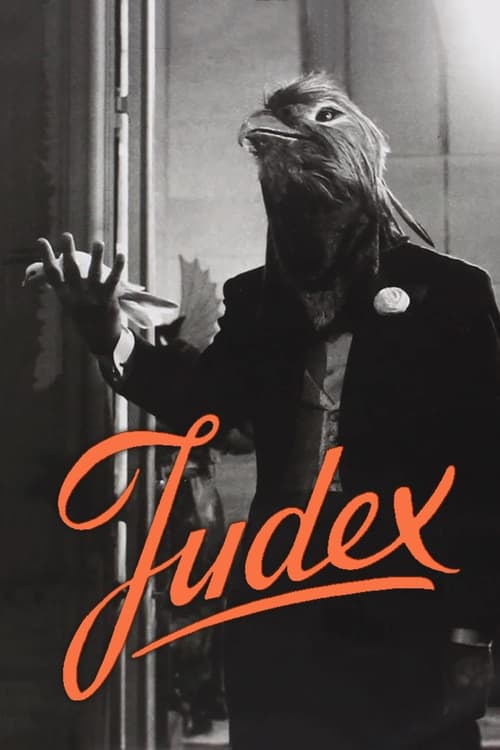
Judex
1963
No user ratings available yet
Representation score: 3.7 out of 10
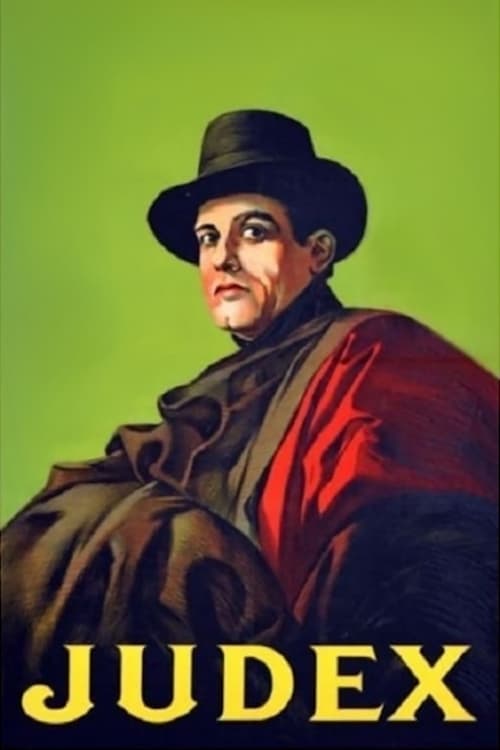
Representation Score
Minimal
1916
Not RatedDirector
Louis Feuillade
Runtime
317 minutes
Average Rating
No ratings yetNew Showbiz Analysis
Louis Feuillade's *Judex* is a foundational masked vigilante melodrama that prioritizes themes of vengeance and socioeconomic disparity over demographic variety. While the film lacks representation for LGBTQ+ identities, disabilities, or racial diversity, it excels in its social commentary. The narrative effectively critiques the integrity of traditional Western institutions. By portraying an unscrupulous banker as the primary antagonist, the story highlights capitalist corruption and the inadequacy of formal legal structures. However, the film remains tied to the social hierarchies of 1916. Gender roles are strictly defined, often relegating women to passive roles that serve the male lead's moral development rather than providing them with independent ability to act.
Category Breakdown
The film does not depict any LGBTQ+ identities or include queer subtext. The character dynamics are centered around traditional romantic and familial relationships.
Female characters mostly play passive roles or act as catalysts for the male protagonist's journey. The film heavily relies on the 'damsel in distress' cliché, which limits their ability to act.
The cast appears predominantly homogeneous, reflecting the demographic norms of early 20th-century French cinema. There are no non-white characters with significant roles.
The film offers a critical look at Western institutions, particularly focusing on capitalist greed and the banking system. It emphasizes a moralistic, vigilante-led justice over state institutions.
There are no characters with visible or invisible disabilities portrayed with ability to act. The narrative does not address neurodivergence or physical disabilities.
Present on Screen
Limited or Absent
Official Synopsis
When an unscrupulous banker ruins his family, a young man swears to bring him to justice, so he adopts a new identity, the mysterious Judex, and ominously disguised and sunk into the muddy path of vengeance, punishes the crooks and protects the innocents. (Originally a twelve-part epic serial.)
1963

1915

1919

1938

1930

1950
1913

1930
No reviews yet. Be the first to share your thoughts on this movie!
Use the rating form above to leave a star rating and optional review.