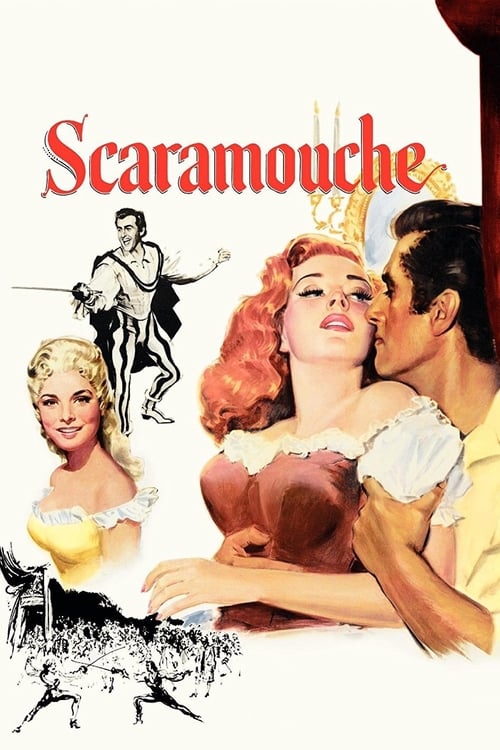
Scaramouche
1952
No user ratings available yet
Representation score: 1.2 out of 10
Representation Score
Minimal
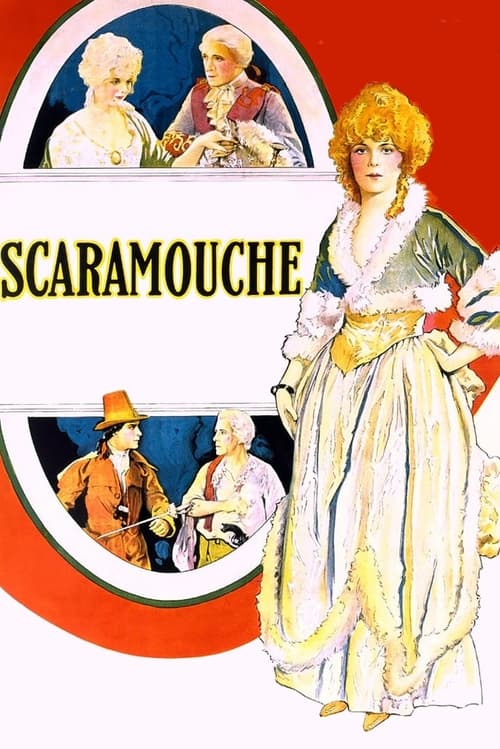
1923
NRDirector
Rex Ingram
Runtime
124 minutes
Average Rating
No ratings yetNew Showbiz Analysis
Scaramouche is a classic swashbuckler that emphasizes a romanticized hero's journey over demographic diversity. While it offers a nuanced critique of aristocratic injustice and institutional corruption, the narrative remains firmly rooted in the social norms of 1923. The film lacks multi-layered complexity, focusing instead on class struggles within a homogeneous European setting. It adheres to traditional gender hierarchies and romantic structures common to the adventure genre.
Category Breakdown
The film follows a typical heterosexual romance storyline. There are no representations of LGBTQ+ identities or same-sex relationships.
Blanche mainly serves as a catalyst for the protagonist’s romantic journey. Female characters are primarily defined by their relationships to men, reinforcing traditional gender roles of the time.
The cast is predominantly white and European, lacking diverse ethnic backgrounds. The narrative does not include race-bent casting.
The story critiques systemic corruption by highlighting the conflict between the common people and the aristocracy. It focuses on class tensions rather than modern secular viewpoints.
Characters are portrayed through the lens of physical strength. There are no depictions of physical, sensory, or neurodevelopmental disabilities.
Present on Screen
Limited or Absent
Official Synopsis
A law student becomes an outlaw French revolutionary when he decides to avenge the unjust killing of his friend. To get close to the aristocrat who has killed his friend, the student adopts the identity of Scaramouche the clown.
1952
1940
1925
1964
1916
1928
1922
1975
No reviews yet. Be the first to share your thoughts on this movie!
Use the rating form above to leave a star rating and optional review.