
Gently Was Anastasia Passing
1980
No user ratings available yet
Representation score: 5.3 out of 10
Representation Score
Fair
1976
Director
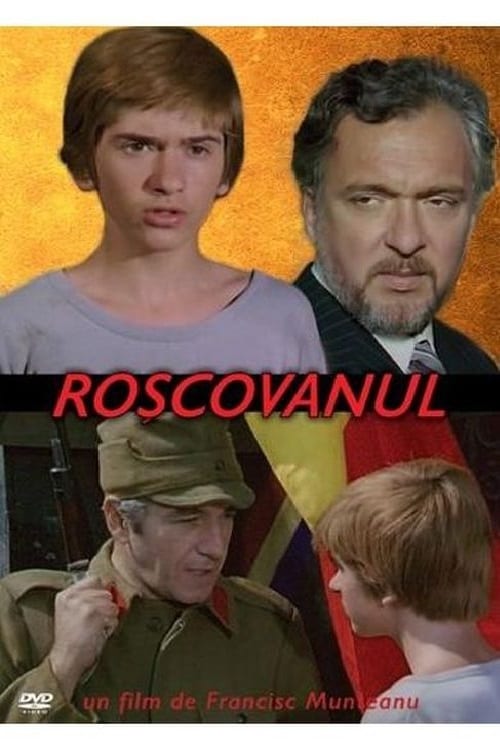
Francisc Munteanu
Runtime
86 minutes
Average Rating
No ratings yetNew Showbiz Analysis
The Redhead is a historical drama that prioritizes a critique of systemic corruption over modern diversity. It succeeds in challenging state-sanctioned power by focusing on an individual's struggle against political oppression. While the film lacks diversity in terms of gender and sexual identity, it offers a progressive narrative structure. By centering on an orphan seeking justice against a corrupt official, it challenges traditional institutional reverence. Ultimately, the film's strength lies in its thematic subversion of authority rather than its demographic breadth.
Category Breakdown
The film does not include any explicit LGBTQ+ characters or non-straight identities. The story focuses on wartime survival and personal revenge.
The story centers around a male protagonist and a male antagonist. While female roles are not detailed, the narrative follows a traditional masculine storyline of combat.
Set in Romania during 1944, the cast reflects a locally focused, ethnically homogeneous population. It serves as a historical drama rather than a globally diverse production.
The film critiques state authority by portraying a police commissioner as a torturer. It emphasizes individual morality over the sanctity of legal institutions.
There is no specific evidence regarding the portrayal of physical or neurodivergent disabilities in this work.
Present on Screen
Limited or Absent
Official Synopsis
During the summer of 1944, while Romanians turn weapons against Nazis, Mihai, an orphan teenager whose parents died in a bombing, tries to enlist in order to fight in the front line but he discovers that former police commissioner Potra tortured and beaten prisoners, including his father, who was political detained. Mihai will fight to bring Potra in front of the justice.
1980
1962

1956
1974
1964
1963
1972
1967
No reviews yet. Be the first to share your thoughts on this movie!
Use the rating form above to leave a star rating and optional review.