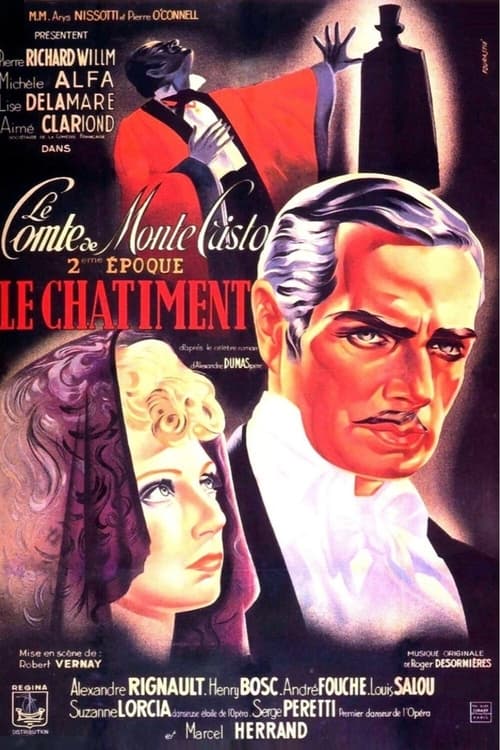
The Count of Monte Cristo Part 2 - The Retaliation
1943
No user ratings available yet
Diversity score: 3.2 out of 10
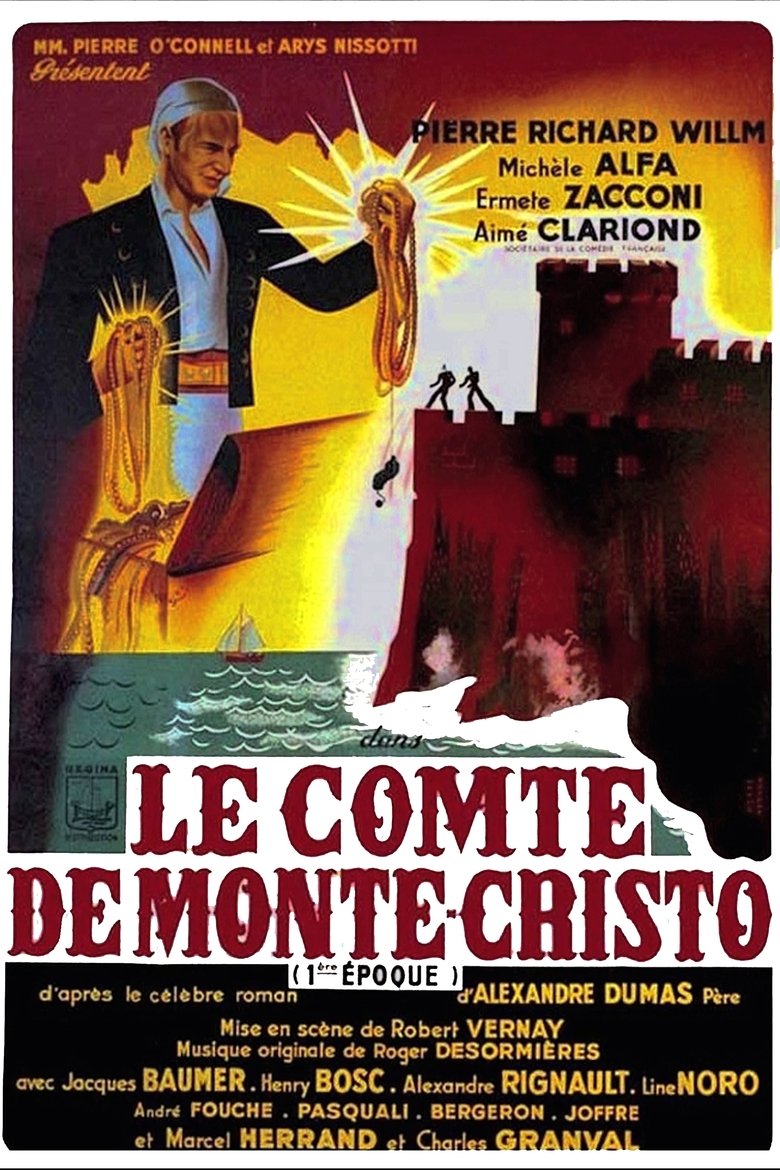
1943
Director
Ferruccio Cerio, Robert Vernay
Runtime
90 minutes
Average Rating
No ratings yetSynopsis
Edmond Dantes is falsely accused by those jealous of his good fortune, and is sentenced to spend the rest of his life in the notorious island prison, Chateau d'If. While imprisoned, he meets the Abbe Faria, a fellow prisoner whom everyone believes to be mad. The Abbe tells Edmond of a fantastic treasure hidden away on a tiny island, that only he knows the location of. After many years in prison, the old Abbe dies, and Edmond escapes disguised as the dead body. Now free, Edmond must find the treasure the Abbe told him of, so he can use the new-found wealth to exact revenge on those who have wronged him.
Overall Score
Limited
Category Breakdown
LGBTQ+ Representation
The film lacks any evidence of non-cisnormative gender identities or same-sex intimacy. It follows a traditional romantic and revenge-driven structure typical of early 19th-century period dramas.
Gender Representation
The narrative centers on the agency of Edmond Dantès, a male protagonist. The structural emphasis remains on masculine pursuits of vengeance and survival within conventional period depictions of authority.
Racial & Ethnic Diversity
Set in early 19th-century Europe, the production reflects the historical homogeneity of the era. The film operates within a Eurocentric framework without visible efforts to disrupt traditional racial hierarchies.
Religious & Cultural Diversity
The story critiques systemic injustice through wrongful imprisonment. However, this critique is rooted in individual grievance and personal justice rather than broader anti-Western or anti-capitalist ideological frameworks.
Disability Representation
Abbé Faria is perceived as mad by fellow prisoners, introducing a depiction of mental health variance. This functions primarily as a plot device to facilitate the transfer of knowledge.
Strengths
Areas for Improvement
AI Analysis
This 1943 adaptation of *The Count of Monte Cristo* is a traditional period drama that adheres strictly to the social and narrative conventions of its era. The film focuses on a singular, heroic arc of vengeance rather than utilizing intersectional frameworks to challenge established social hierarchies. The production is characterized by a Eurocentric perspective and a heavy emphasis on masculine agency. While it touches on themes of systemic corruption, these are explored through the lens of personal retribution and socioeconomic tropes common to the genre. Ultimately, the film serves as a standard adventure piece of mid-century French cinema, prioritizing historical authenticity and classical storytelling over contemporary progressive narrative architectures.
No reviews yet. Be the first to share your thoughts on this movie!
Use the rating form above to leave a star rating and optional review.