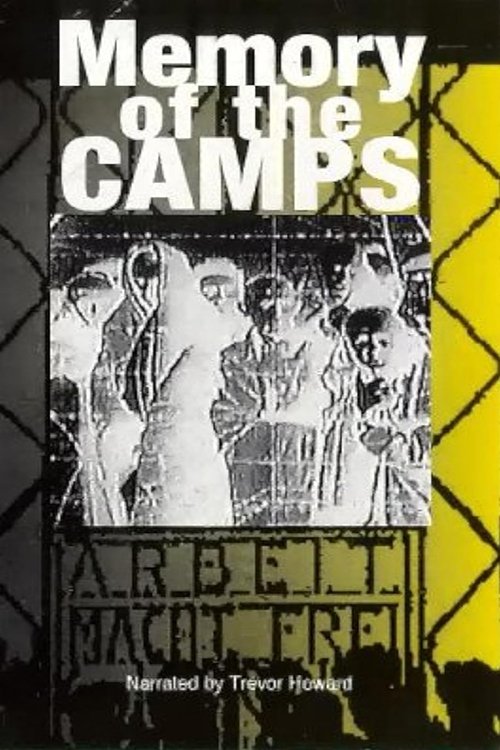
Memory of the Camps
1985
No user ratings available yet
Representation score: 6.6 out of 10

Representation Score
Good
1945
Not RatedDirector
George Stevens
Runtime
59 minutes
Average Rating
No ratings yetNew Showbiz Analysis
George Stevens' documentary serves as a critical tool for historical accountability, using archival footage to document systemic human rights violations. While it does not employ modern identity-based storytelling, its purpose is to provide irrefutable evidence of state-sponsored violence. The film's strength lies in its unvarnished documentation of underrepresented groups, including ethnic minorities and people with disabilities. It centers the victims of the Nazi regime, disrupting traditional power structures and challenging the dominant narratives of the era. However, the film's focus is strictly evidentiary and historical, lacking explicit representation of LGBTQ+ identities, which reflects the specific archival purpose and the era rather than a deliberate narrative omission.
Category Breakdown
The film focuses on the historical record of the Holocaust without explicitly addressing LGBTQ+ identities or expressions.
The footage shows both men and women as victims of an oppressive state, presenting survivors with a shared sense of vulnerability.
The documentary highlights the diverse ethnic groups targeted during the Holocaust, including Jews, Roma, and others.
The film documents the crimes of a morally bankrupt regime, emphasizing the importance of international human rights standards over absolute state sovereignty.
The footage captures the systematic targeting of individuals with disabilities by the state, providing historical documentation of their experiences.
Present on Screen
Limited or Absent
Official Synopsis
Produced and presented as evidence at the Nuremberg war crimes trial of Hermann Göring and twenty other Nazi leaders, this film consists primarily of dead and surviving prisoners and of facilities used to kill and torture during the World War II.
1985
1998

2021

1985
2017

2018

2003

2015
No reviews yet. Be the first to share your thoughts on this movie!
Use the rating form above to leave a star rating and optional review.