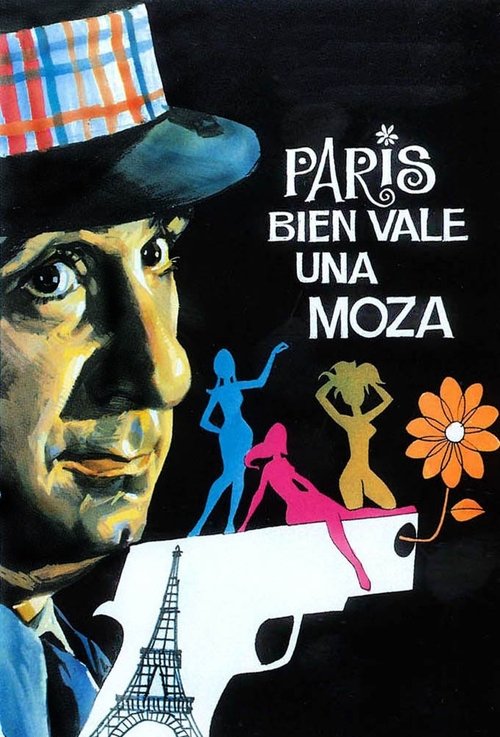
París bien vale una moza
1972
No user ratings available yet
Representation score: 1.4 out of 10
Representation Score
Limited
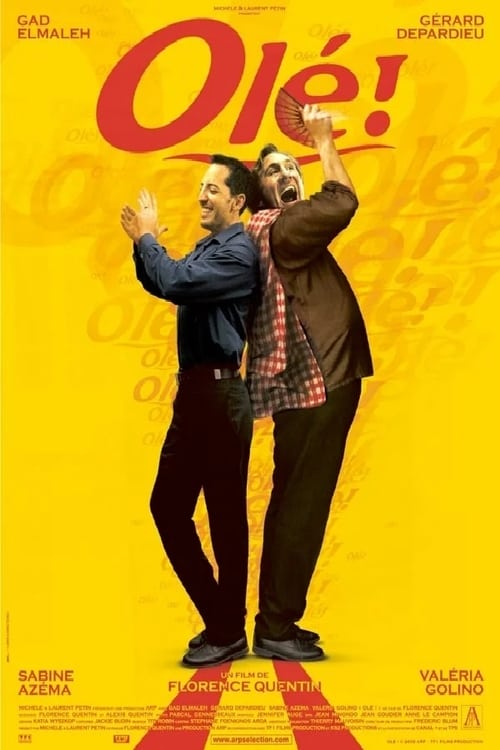
2005
Director
Florence Quentin
Runtime
98 minutes
Average Rating
No ratings yetNew Showbiz Analysis
Olé! operates within a conventional comedic framework that upholds traditional social hierarchies and domestic life. The plot revolves around the professional and marital lives of Ramon Holgado, following standard character clichés. The film lacks depth in representing diverse identities, focusing instead on a specific cultural setting without challenging systemic norms. Ultimately, it reinforces traditional gender and social structures rather than questioning them.
Category Breakdown
The film does not include any LGBTQ+ characters or themes related to queer experiences. The story focuses on the heterosexual relationship between Ramon and his wife, Carmen.
Gender roles in the film follow traditional stereotypes. Ramon is portrayed as a man with professional influence, while Carmen is primarily defined by her domestic life and personal desires.
The story is set in a Spanish cultural context, with characters named after Spanish traditions and the setting in Andalusia. However, there is no indication of multi-ethnic casting.
The film follows typical social structures and emphasizes marital stability. It does not challenge or deconstruct Western institutions or power dynamics.
There is no information about characters with disabilities, neurodivergence, or chronic health conditions in the provided narrative.
Present on Screen
Limited or Absent
Official Synopsis
Ramon Holgado is the driver of a big boss, as well as his confidant, his golf partner, and the alibi of his escapades. His wife, Carmen, dreams of returning to sunny Andalusia.
1972

1996

2006
2005
1985

2010

1988
1995
No reviews yet. Be the first to share your thoughts on this movie!
Use the rating form above to leave a star rating and optional review.