
París bien vale una moza
1972
No user ratings available yet
Representation score: 1.4 out of 10
Representation Score
Minimal
1959
Director
Pedro Lazaga Sabater
Runtime
88 minutes
Average Rating
No ratings yetNew Showbiz Analysis
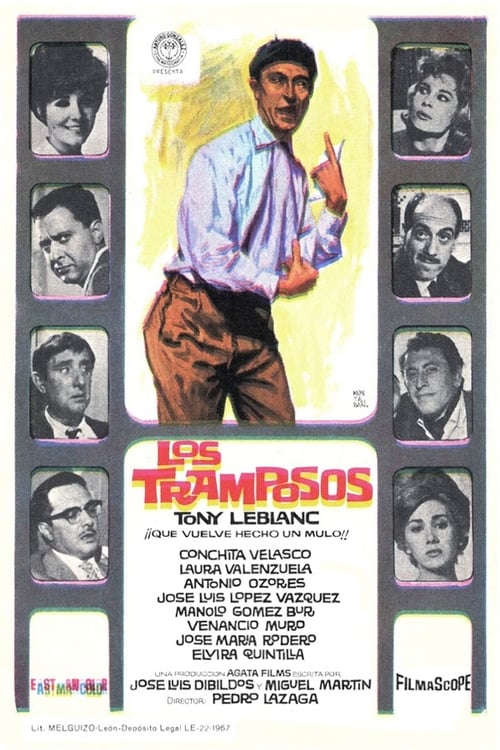
Los tramposos is a mid-century Spanish comedy that functions as a traditional period piece. The narrative focuses on individual character reform, moving two male leads from a life of deception toward conventional social integration through love. The film reinforces the social and moral hierarchies of the late 1950s. It lacks systemic subversion, instead opting for a mainstream comedic structure that adheres to the era's standard social constraints. Representation is largely homogeneous, centering on a localized experience with little to no evidence of diverse racial, ethnic, or LGBTQ+ identities.
Category Breakdown
The film does not include any representation of LGBTQ+ identities or same-sex relationships. The romantic storyline follows a traditional path typical of its time.
The narrative focuses on two male characters who drive the plot through their actions and decisions. The story emphasizes a conventional movement toward stability through romantic relationships.
The production reflects the homogeneous demographic of 1959 Spain. There is no indication of ethnic blending or diverse casting within this localized comedy.
The story follows a traditional moral framework where characters move from trickery toward social responsibility. It reinforces established social norms rather than critiquing them.
There is no information available regarding the inclusion of characters with visible or invisible disabilities.
Present on Screen
Limited or Absent
Official Synopsis
Two guys live without working quite well using thousands of tricks and fakes. But they soon change their attitudes when love arrives at their hearts.
1972

1976

1981
1962
1990
1955
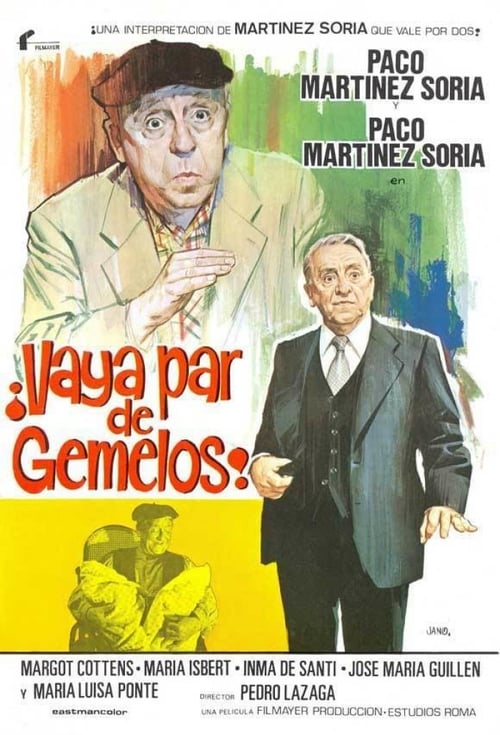
1978

1950
No reviews yet. Be the first to share your thoughts on this movie!
Use the rating form above to leave a star rating and optional review.