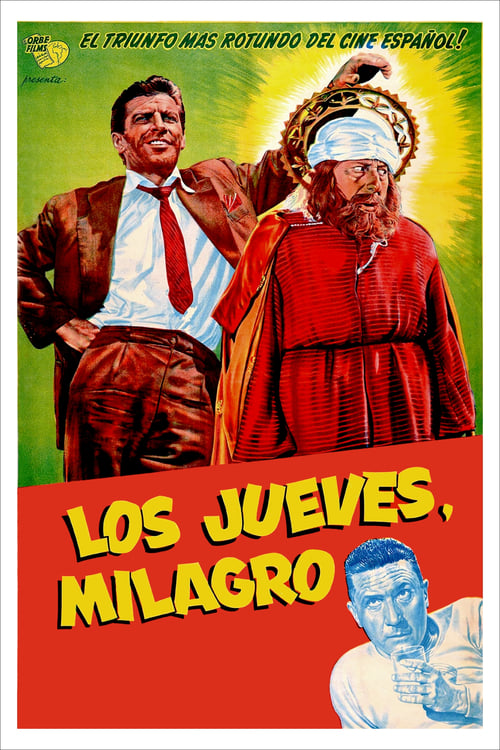
Miracles of Thursday
1957
No user ratings available yet
Representation score: 3.1 out of 10
Representation Score
Minimal
1968
Director
Pedro Lazaga Sabater
Runtime
92 minutes
Average Rating
No ratings yetNew Showbiz Analysis
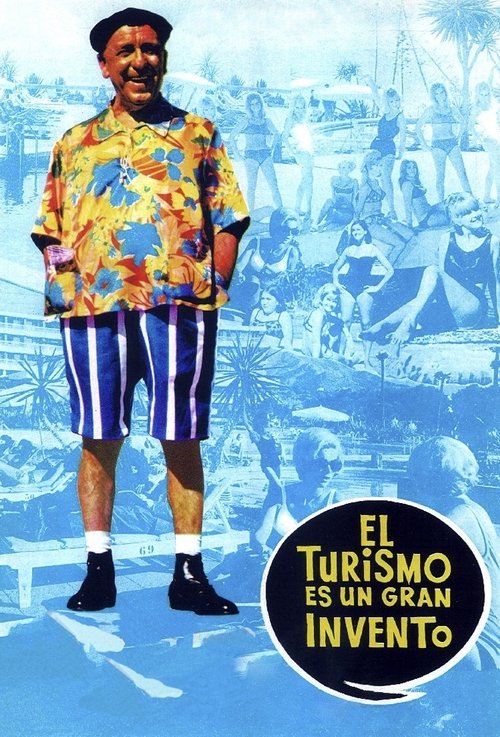
This 1968 comedy provides a historical perspective on Spain during the late Francoist era. It highlights the clash between rural traditions and the growth of the tourism industry. The film operates within the socio-political context of the time, emphasizing national stability and traditional hierarchies. The narrative structure relies on conventional comedic formulas rather than challenging social norms. It lacks the complexity needed to represent diverse identities and experiences. Overall, the film reflects the cultural and social norms of its time, focusing on economic shifts and community development.
Category Breakdown
The film follows the assumption that everyone is straight and cisgender. There are no representations of LGBTQ+ identities or relationships.
The story centers around male characters who lead the civic and economic efforts. Female characters play supporting roles but do not drive the main plot.
The film depicts a homogeneous society reflecting the demographics of 1960s Spain. It does not explore the intersections of different racial or ethnic backgrounds.
The movie examines the tensions between traditional values and modern economic changes. It emphasizes the importance of maintaining social cohesion and national development.
The film does not include any characters with visible or invisible disabilities.
Present on Screen
Limited or Absent
Official Synopsis
After a vacation to a seaside resort, a Spanish mayor attempts to modify his small rural town for tourists in an attempt to make money.
1957
1953
1972
2011
1970
1971
1971
1982
No reviews yet. Be the first to share your thoughts on this movie!
Use the rating form above to leave a star rating and optional review.