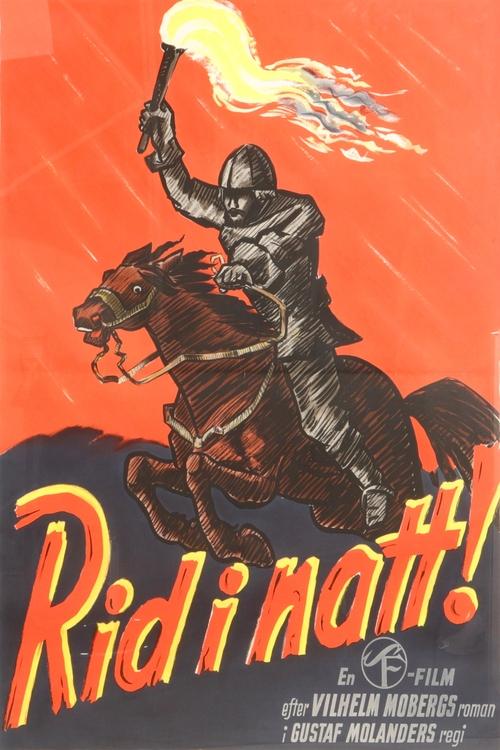
Ride Tonight!
1942
No user ratings available yet
Diversity score: 3.8 out of 10

1973
Director
Otakar Vávra
Runtime
227 minutes
Average Rating
No ratings yetSynopsis
This feature film based on the events of 1938 is a chronicle of the futile efforts of the Czechoslovak president Edvard Benes (Jirí Pleskot), politicians and ordinary citizens, to save the independence and the territorial integrity of the state from the advance of Hitler's Germany. On the 29th of March 1938 the leader of the Sudeten Germans Henlein (Werner Ehrlicher) has a meeting with Hitler (Gunnar Möller). Hitler orders him to intensify pressure on the Czechoslovak government. On the 24th of April in Carlsbad, the Sudetendeutsche Partei (Sudeten German Party) decides upon eight demands that are unacceptable to the Czechoslovak President, since they would ultimately lead to the break-up of the Republic. Benes still shows a certain willingness to negotiate, and Henlein resents this. The Germans are determined to make further negotiations impossible through incidents and violence.
Overall Score
Fair
Category Breakdown
LGBTQ+ Representation
The film contains no evidence of LGBTQ+ characters or narratives. The focus remains strictly on high-level political diplomacy and state sovereignty.
Gender Representation
The narrative is centered on masculine spheres of mid-century diplomacy. Power dynamics are heavily skewed toward male leaders like Beneš, Henlein, and Hitler.
Racial & Ethnic Diversity
The cast is ethnically homogeneous, reflecting a localized historical reconstruction. However, the plot explores the weaponization of ethnic identity and Sudeten German minority tensions.
Religious & Cultural Diversity
The film critiques the failure of international consensus and Western diplomatic institutions. It portrays nationalist movements as tools for systemic geopolitical manipulation.
Disability Representation
There is no documented evidence of characters with visible or invisible disabilities. No such traits serve as central plot points.
Strengths
Areas for Improvement
AI Analysis
Days of Betrayal is a traditional historical drama that prioritizes geopolitical accuracy over intersectional identity. It documents the existential threat to the Czechoslovak state through a lens of systemic pressure and state-level crisis. The film operates within conventional masculine and Eurocentric frameworks typical of 1970s historical filmmaking. While it provides a nuanced look at ethnic friction, it lacks representation of non-heteronormative identities or diverse gender roles. Ultimately, the work functions as a chronicle of political maneuvering and the failure of institutional stability during the lead-up to 1938.
1942
1969
2001
1999
1961
2012
2003
2019
2003
1975

1958
1986
No reviews yet. Be the first to share your thoughts on this movie!
Use the rating form above to leave a star rating and optional review.