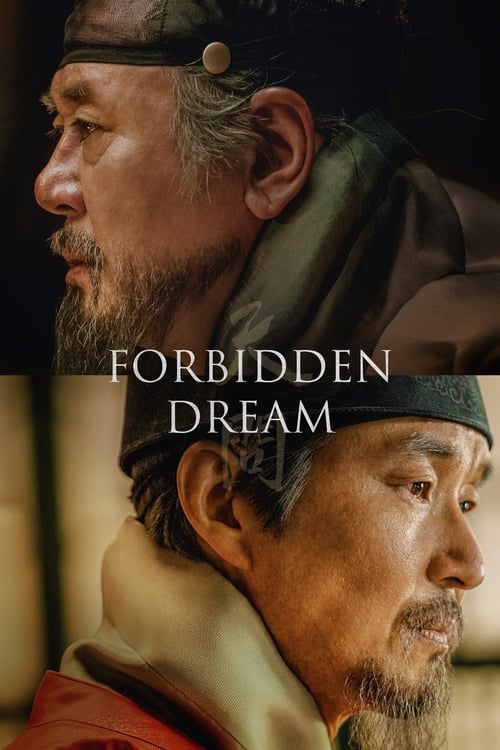
Forbidden Dream
2019
No user ratings available yet
Representation score: 6.0 out of 10
Representation Score
Limited
2019
Director
Cho Chul-hyun
Runtime
110 minutes
Average Rating
No ratings yetNew Showbiz Analysis
This historical drama emphasizes the intellectual and political history of the Joseon era, prioritizing cultural authenticity over modern diversity. The narrative critiques the rigid class system and the control of knowledge by the elite. While the film lacks contemporary identity markers such as LGBTQ+ or disability representation, it effectively explores the struggles of the underrepresented peasantry.
Category Breakdown
The film focuses on 15th-century political and historical themes without any depiction of LGBTQ+ identities or same-sex relationships.
The story centers on male political figures within a traditional patriarchal framework. Women are not portrayed in positions of intellectual or political influence.
The cast mainly consists of actors representing the ethnic makeup of the Joseon era, emphasizing historical accuracy over diverse representation.
The film highlights the struggle of the peasantry against the scholarly elite, critiquing the oppressive nature of class-based gatekeeping.
Characters with disabilities, either visible or invisible, are not featured in the narrative, which focuses on socio-political issues rather than disability.
Present on Screen
Limited or Absent
Official Synopsis
In the 15th century, despite so many accomplishments he has made for the people, King Sejong, his biggest goal is still remaining; the invention of original letters that can be read and written by all the people. But courtiers who want to dominate the knowledge and the power, are against his will and discourage his belief. Frustrated King Sejong hears about a bonze Sinmi a phonogram expert, and secretly brings him in the palace.
2019

1954

2021

1944
2026
2013
2016
2001
No reviews yet. Be the first to share your thoughts on this movie!
Use the rating form above to leave a star rating and optional review.