
Dersimiz: Atatürk
2010
No user ratings available yet
Representation score: 3.5 out of 10
Representation Score
Fair
2003
Director
Ziya Öztan
Runtime
121 minutes
Average Rating
No ratings yetNew Showbiz Analysis
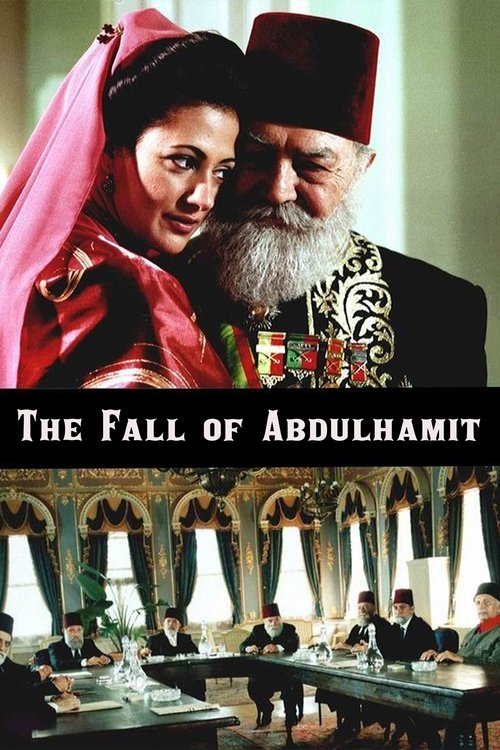
Abdulhamid Falling is a period drama that emphasizes historical accuracy and the preservation of era-specific hierarchies. The narrative centers on the tension between imperial authority and constitutional reform, focusing on statecraft and geopolitical pressures. While the film lacks modern identity-based representation, it offers a post-colonial perspective by critiquing Western dominance. This adds cultural depth beyond a simple political biography. Ultimately, the film maintains a conservative approach to representation, reinforcing traditional masculine leadership and socio-religious structures of the early 20th century.
Category Breakdown
The film focuses on the political maneuvering of the Ottoman court and military. There are no non-cisgender identities or same-sex relationships among the characters.
Men hold most of the power in political and military roles. Women are mainly in social or domestic roles and do not drive the main political storyline.
The cast is ethnically uniform, reflecting the Turkish and Ottoman ruling class. The film does not use diverse casting to challenge historical norms.
The story critiques Western imperialist interference. It operates within a traditional Islamic and monarchical framework, emphasizing socio-religious structures.
There is no focus on neurodivergence or physical disabilities. Characters are defined by their political roles and social standing.
Present on Screen
Limited or Absent
Official Synopsis
Şefik, a successful soldier, is one of the leading figures of the Committee of Union and Progress. When Abdulhamid II declares a constitutional monarchy, Şefik and his friends go to Istanbul. They plan to closely monitor the events unfolding there. However, it is here that Şefik will part ways with the society.
2010

1954

2021

2012
2024

2010
2012

2015
No reviews yet. Be the first to share your thoughts on this movie!
Use the rating form above to leave a star rating and optional review.