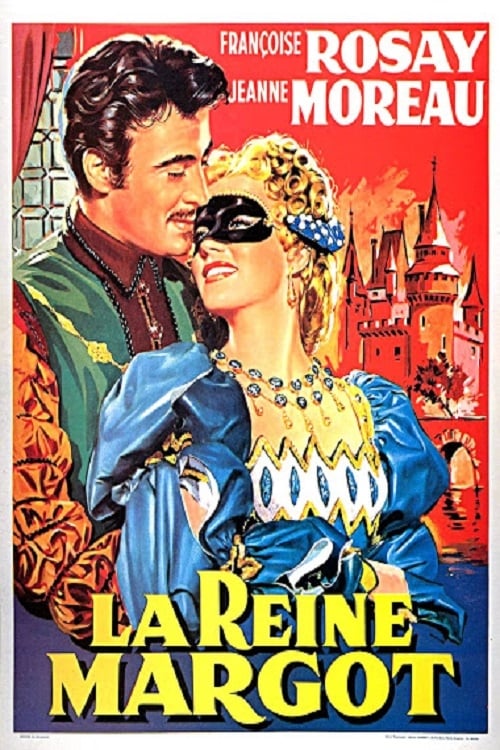
Queen Margot
1954
No user ratings available yet
Representation score: 4.5 out of 10
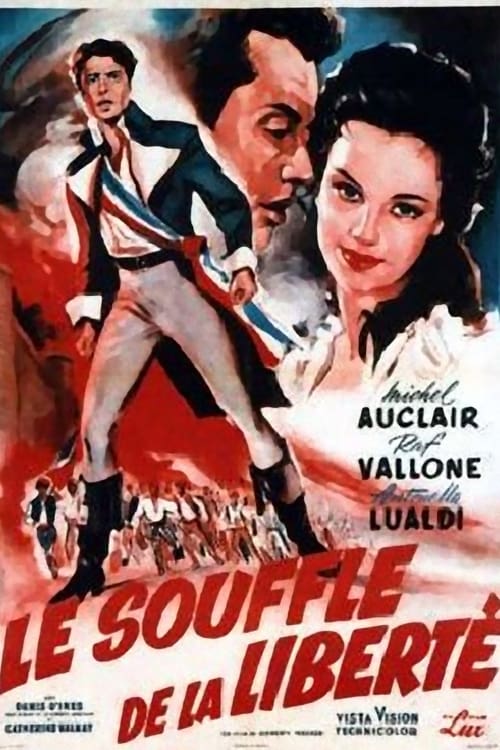
Representation Score
Fair
1955
Director
Clemente Fracassi
Runtime
110 minutes
Average Rating
No ratings yetNew Showbiz Analysis
Le souffle de la liberté is a traditional historical drama set during the French Revolution. It focuses on the personal romance of André Chénier amid the systemic upheaval of 1789 France. The film's strength lies in its exploration of the dismantling of aristocratic hierarchies and the rise of individualistic, humanist values. However, the film lacks modern multi-layered depth, reflecting the demographic homogeneity of its era with little evidence of racial diversity or explicit LGBTQ+ representation.
Category Breakdown
The film centers on a romance between a poet and an aristocrat, but there is no explicit evidence of LGBTQ+ identities. The period setting allows for potential subtext, but it remains implicit.
The story explores a romantic entanglement that highlights the tension between women's independence and the societal norms of the 18th century. It emphasizes individual passion over rigid class roles.
The narrative likely reflects the demographic homogeneity typical of 1950s European period pieces. There is no evidence of a non-white majority cast or actors from diverse racial backgrounds.
By focusing on the French Revolution, the film critiques monarchical power and class stratification. It emphasizes humanist values over traditional religious morality.
There is no information available about the depiction of physical or neurodivergent characters.
Present on Screen
Limited or Absent
Official Synopsis
In 1789, French poet André Chénier struck up a romance with a young aristocrat.
1954
1983
1990
1976

1919
1921

2019

1970
No reviews yet. Be the first to share your thoughts on this movie!
Use the rating form above to leave a star rating and optional review.