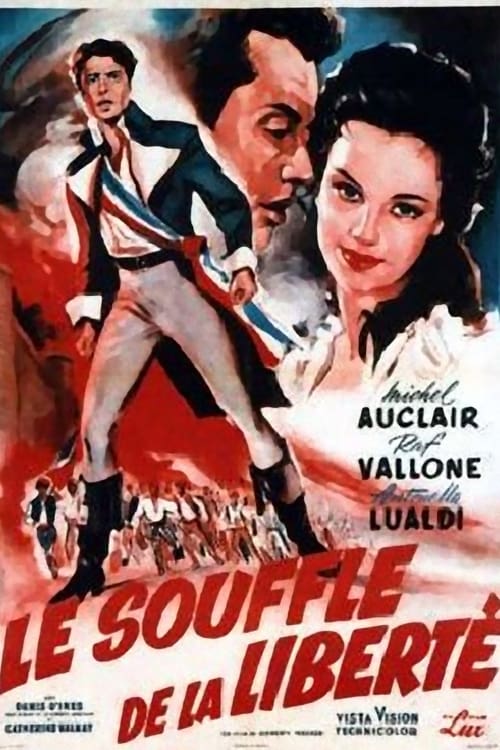
Le souffle de la liberté
1955
No user ratings available yet
Representation score: 4.5 out of 10
Representation Score
Fair
2019
Average Rating
No ratings yetNew Showbiz Analysis
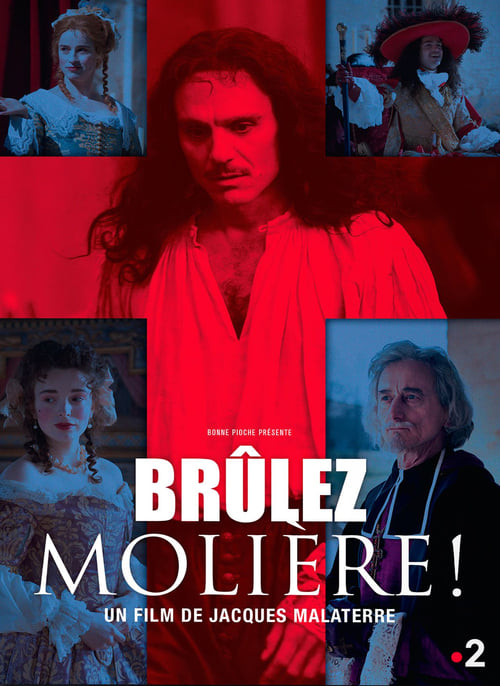
Brûlez Molière! appears to be a traditional historical reconstruction of the 17th-century French landscape. The film centers on the tension between artistic expression and institutional authority. While the era provides a framework for exploring social transgressions, the film lacks explicit evidence of multi-layered casting or the subversion of period-typical hierarchies. It functions primarily as a standard period drama. Ultimately, the work's diversity is limited by its adherence to historical social constraints, offering a moderate exploration of power rather than a modern disruption of social norms.
Category Breakdown
The film does not explicitly confirm any queer narratives or themes from the 17th century. It focuses on the period's social context without highlighting LGBTQ+ issues.
Women in the film navigate the strict patriarchal hierarchy of Louis XIV's court. It is unclear if the film empowers these characters or simply reinforces traditional roles.
The setting reflects the social constraints of the 17th-century French court. There is no evidence of diverse casting or non-Anglo-Saxon majority representation.
The focus on Molière suggests a critique of religious and state institutions. This framework may challenge traditional power structures through artistic rebellion.
There is no information available regarding the inclusion of neurodivergent or physically disabled characters.
Present on Screen
Limited or Absent
1955
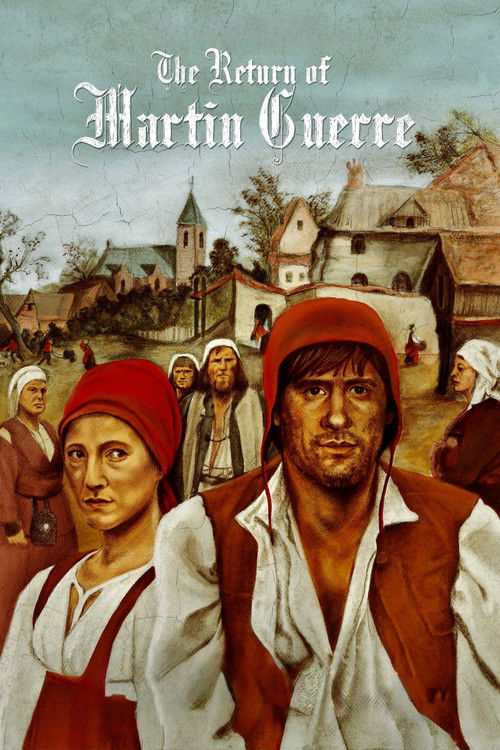
1982
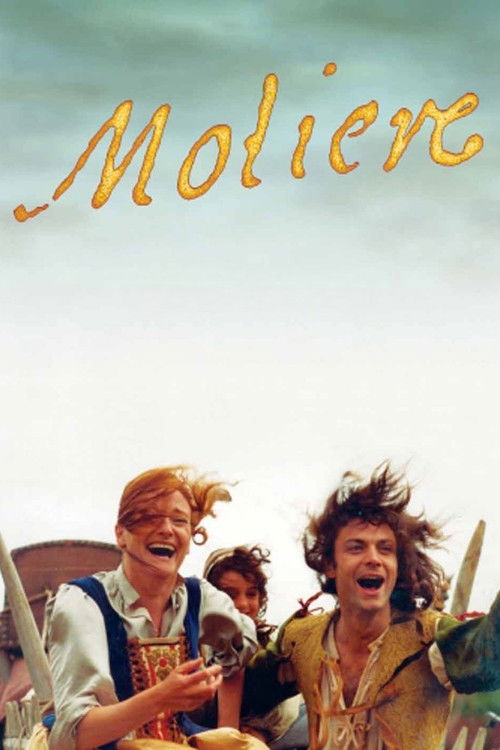
1978
1993
1954
2018

1919
2006
No reviews yet. Be the first to share your thoughts on this movie!
Use the rating form above to leave a star rating and optional review.