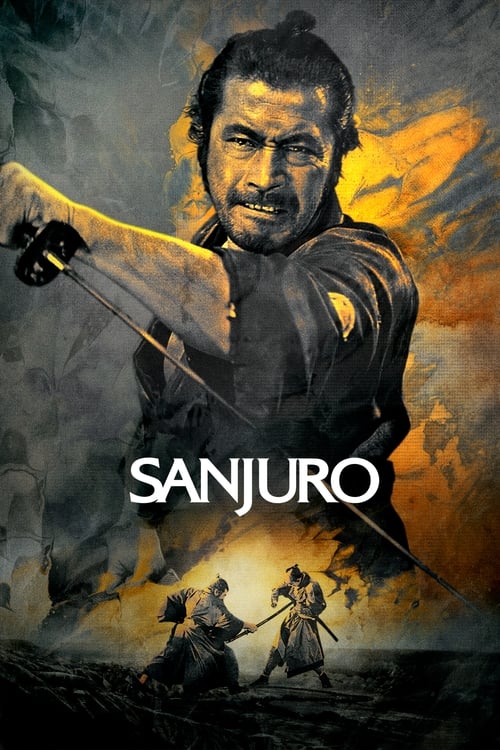
Sanjuro
1962
No user ratings available yet
Representation score: 2.0 out of 10
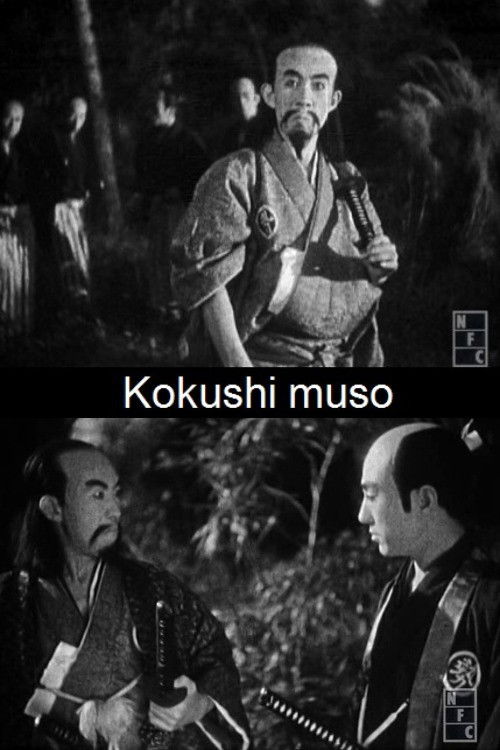
Representation Score
Limited
1932
Director
Mansaku Itami
Runtime
11 minutes
Average Rating
No ratings yetNew Showbiz Analysis
Mansaku Itami’s satire provides a unique perspective on social hierarchies by questioning the rigid morality of the samurai era. The film focuses on a dishonest scheme and martial pretense, offering a critical view of institutional authority. However, the film operates within a very narrow demographic framework. It lacks modern approaches to diversity and identity, focusing instead on a conventional demographic for its time and place.
Category Breakdown
The film does not include any LGBTQ+ characters or stories about non-straight relationships.
The story focuses on a male-dominated world of swordsmanship and ronin culture. Oyae is present but mainly serves as a traditional damsel in distress.
The cast is made up of actors from the same ethnic background, reflecting a culturally specific narrative rather than a multi-ethnic one.
The film challenges traditional samurai morality by focusing on impostors and deception. This goes against the usual portrayal of earnest, virtuous heroes in period dramas.
There are no characters with visible or invisible disabilities in the film.
Present on Screen
Limited or Absent
Official Synopsis
In the midst of the depression, two ronin rack their brains to come up with a dishonest scheme. Taking a man from the countryside, they fashion him into Ise Isenokami, the finest swordsman under the sun. Pretending to be his followers, they visit various sword fighting dojo. Out of fear upon hearing the name Isenokami, they pay him off and do not let him enter their training halls. The impostor eventually comes face to face with the real Isenokami after rescuing his daughter, Oyae, who is caught up in a minor incident.
1962
1962
1985
1925

2013
1969
1937
1961
No reviews yet. Be the first to share your thoughts on this movie!
Use the rating form above to leave a star rating and optional review.