
The Age of Assassins
1967
No user ratings available yet
Representation score: 4.0 out of 10
Representation Score
Minimal
1969
Director
Kihachi Okamoto
Runtime
117 minutes
Average Rating
No ratings yetNew Showbiz Analysis
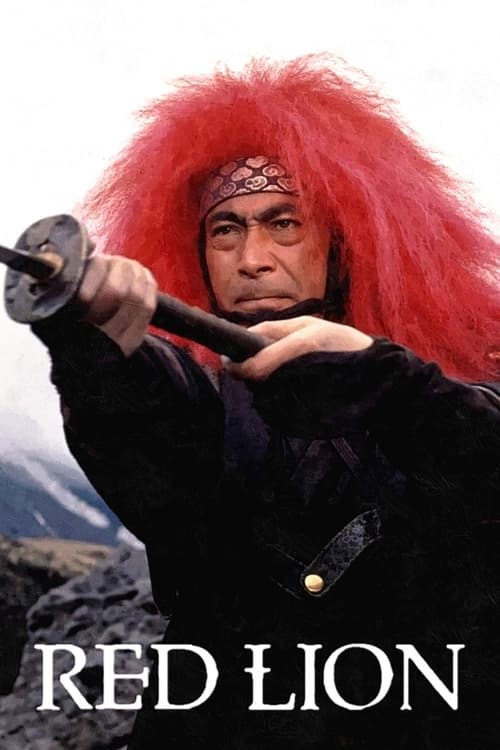
Red Lion deconstructs the traditional samurai epic by focusing on the gritty realities of the Meiji Restoration. It replaces the romanticized bushido code with a study of systemic corruption and institutional decay. While the film adheres to period-specific hierarchies regarding gender and ethnicity, it excels in its cultural critique. The narrative prioritizes the survival and subjective morality of the disenfranchised over loyalty to a corrupt Shogunate. Ultimately, the film is a study of class struggle, using the masterless status of its protagonists to subvert rigid state ideals, even while maintaining traditional social structures.
Category Breakdown
The film operates within strict conventions that assume everyone is straight or cisgender. There is no evidence of non-assuming gender matches what was assigned at birth gender identities or same-sex intimacy within the narrative.
Female characters are largely relegated to domestic or supportive roles. Primary ability to act is concentrated in male protagonists, reinforcing traditional masculine roles of combat and leadership.
The cast is ethnically homogeneous, reflecting the historical setting of 19th-century Japan. The narrative focuses on internal class struggles rather than ethnic diversity.
The film critiques established power structures by portraying the ruling class as corrupt. It highlights the friction between individual ability to act and oppressive, state-mandated social orders.
There is no discernible focus on physical or neurodivergent disabilities. Characters are primarily evaluated through their capacity for violence or survival.
Present on Screen
Limited or Absent
Official Synopsis
Japan, February 1868. As the Tokugawa shogunate declines and the power of Emperor Meiji grows, Gonzo, a soldier of the Restoration Army, returns to Sawando, his hometown, to announce the end of tyranny.
1967
1952
1964

1964
1963
1952
2015
1958
No reviews yet. Be the first to share your thoughts on this movie!
Use the rating form above to leave a star rating and optional review.