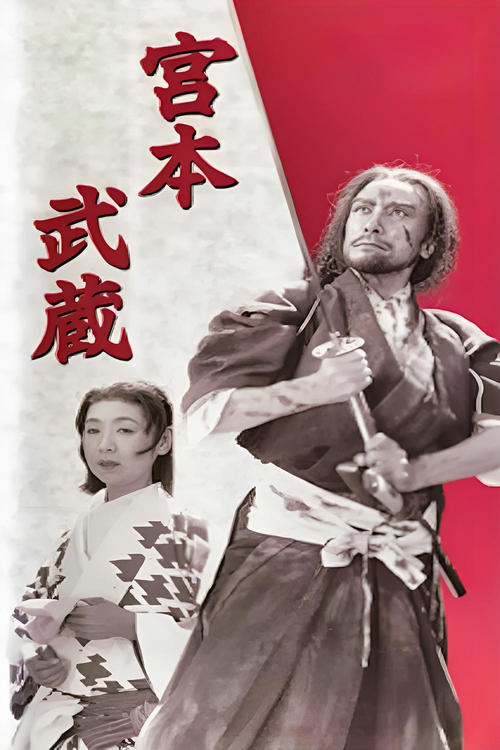
Miyamoto Musashi
1944
No user ratings available yet
Representation score: 1.3 out of 10
Representation Score
Minimal
1937
Director
Masahiro Makino, Hiroshi Inagaki
Runtime
57 minutes
Average Rating
No ratings yetNew Showbiz Analysis
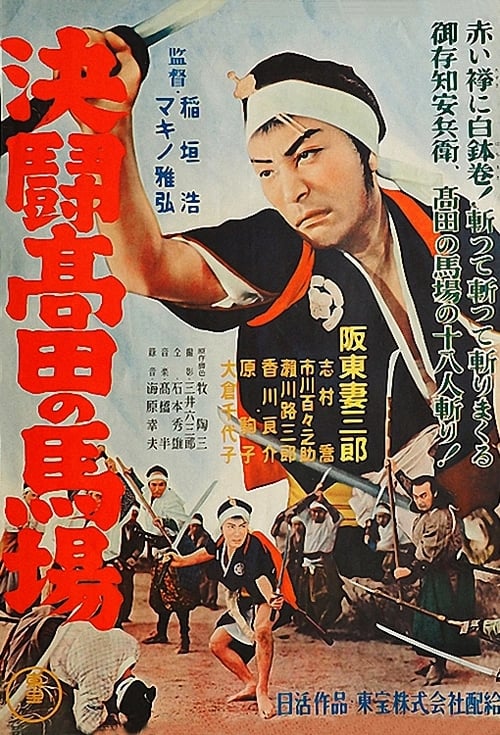
Blood Spilled at Takadanobaba is a seminal work of early Japanese action cinema, valued for its technical experimentation and rhythmic choreography. The film adheres to the genre conventions of its time, focusing on the individualistic heroism of the swordsman. While the film is a significant cultural artifact of Japanese identity, it lacks the multi-layered complexity required for a higher diversity score. The narrative emphasizes masculine ability to act and traditional folklore over social representation.
Category Breakdown
The film does not include any LGBTQ+ characters or narratives, focusing instead on the traditional masculine martial prowess of the chanbara genre.
The narrative centers on the male protagonist's martial skills and bravery. Female characters do not drive the plot or challenge traditional gender roles.
The film reflects the culturally homogeneous domestic landscape of 1930s Japan. It lacks racial blending or non-Japanese representation within a modern diversity framework.
The story is deeply rooted in Japanese folklore and the Chushingura mythos. It celebrates traditional martial heroism within established cultural frameworks of the era.
There is no documented evidence of characters with visible or invisible disabilities being integrated into the narrative or portrayed with significant influence.
Present on Screen
Limited or Absent
Official Synopsis
The tale of Nakayama Yasubei’s duel is famous, even if he in reality probably did not cut down 18 opponents. The story has been related in film, rakugo, kodan and on stage many times, in part because Nakayama later joined the famous 47 Ronin (Chushingura) as Horibe Yasubei. But Makino and Inagaki’s version gives no hint of this more serious future, playing up the thrills and the comedy with Bando’s bravura performance. The multiple pans of Yasubei running to the duel are an exemplar of the experimental flourishes of 1930s Japanese cinema and the final duel, performed virtually like a dance number, is a marker of Makino’s love of rhythm and one of the best sword fights in Japanese film history. The film was originally released under the title Chikemuri Takadanoba (Bloody Takadanobaba) with a length of 57 minutes, but suffered some cuts and a title change when it was re-released in 1952.
1944
1962
1956
1962
1963
1932
1959

1969
No reviews yet. Be the first to share your thoughts on this movie!
Use the rating form above to leave a star rating and optional review.