The Greatest Man in the World
1932
No user ratings available yet
Representation score: 2.7 out of 10
Representation Score
Limited
1962
NRDirector
Akira Kurosawa
Runtime
96 minutes
Average Rating
No ratings yetNew Showbiz Analysis
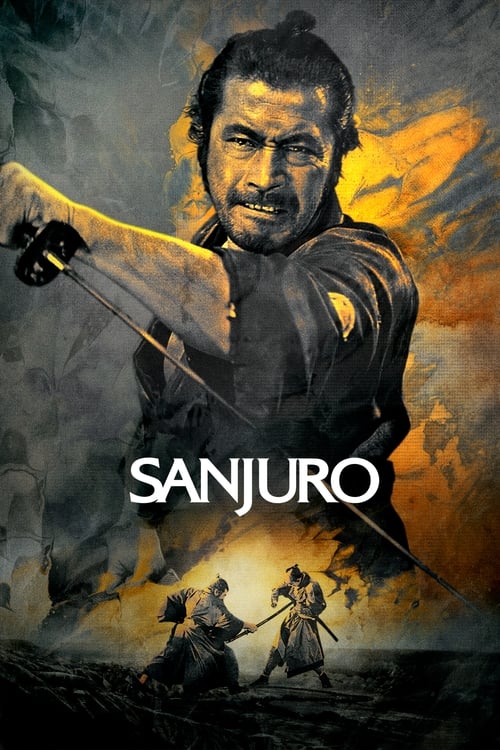
Sanjuro is a sophisticated deconstruction of the romanticized warrior archetype. While it remains limited by the historical context of its Edo period setting, it offers a profound critique of systemic corruption and the gap between institutional ideals and pragmatic survival. The film's strength lies in its challenge to the 'heroic' myth. By presenting a protagonist who operates through moral relativism rather than rigid virtue, it dismantles the facade of traditional honor and explores the breakdown of authority. However, the film lacks diversity in terms of gender and LGBTQ+ representation, adhering strictly to the patriarchal and conventions that assume everyone is straight of the era. It remains a character study of the warrior class rather than a subversion of gendered power.
Category Breakdown
The film adheres to the social constraints of its 17th-century setting. There are no depictions of non-straight relationships or narratives engaging with LGBTQ+ themes.
The film operates within a traditional patriarchal structure. Female characters occupy secondary, peripheral roles that do not challenge the established gender hierarchy.
Casting is ethnically homogeneous, reflecting the historical reality of feudal Japan. However, the focus on masterless ronin provides a lens into those sidelined by the dominant social order.
The narrative excels in its critique of traditional institutions. It disrupts the concept of proper samurai conduct by framing clans and feudal authority as inherently corrupt and self-interested.
There are no prominent depictions of physical or neurodivergent disabilities that drive the narrative or serve as central character elements.
Present on Screen
Limited or Absent
Official Synopsis
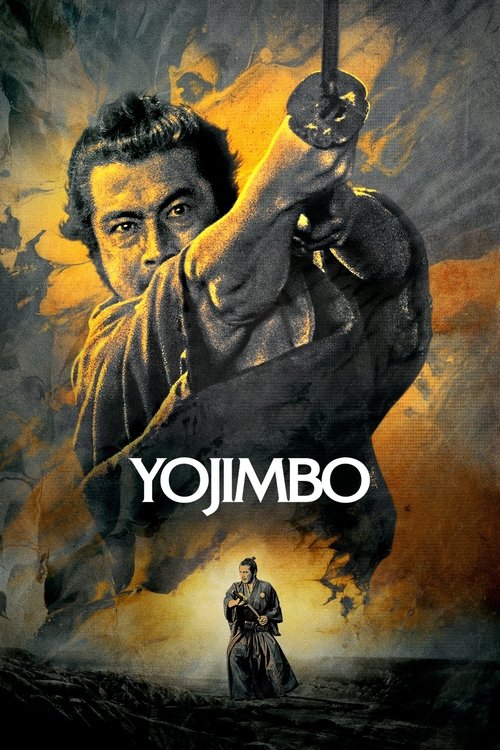
In this companion piece and sequel to "Yojimbo," jaded samurai Sanjuro helps an idealistic group of young warriors weed out their clan's evil influences, and in the process turns their image of a proper samurai on its ear.
1932

1964
1963
1962
1961

1968
2007
1969
No reviews yet. Be the first to share your thoughts on this movie!
Use the rating form above to leave a star rating and optional review.