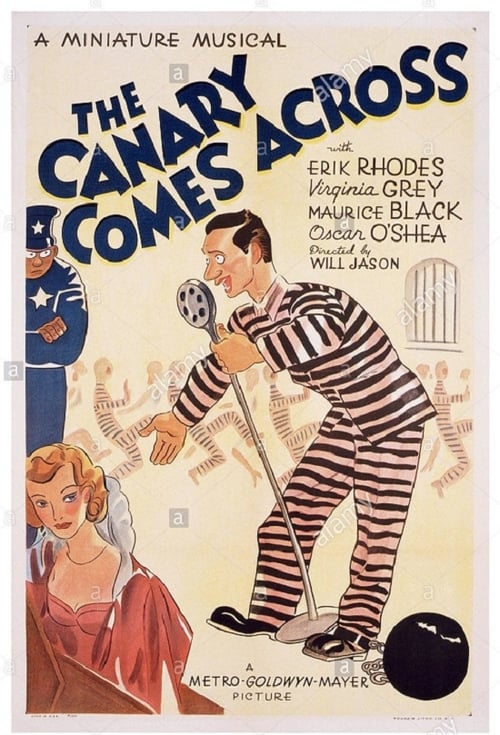
The Canary Comes Across
1938
No user ratings available yet
Diversity score: 2.7 out of 10

1948
ApprovedDirector
George Abbott
Runtime
65 minutes
Average Rating
No ratings yetSynopsis
Airline hostess Ann Parker is fired for being undignified when she sang to calm the passengers during a storm. Mike Connors, publicity man for Frankie Carle's orchestra, invites her to try out as the band's vocalist since the regular singer, Mary Lou, had just quit the band on the eve of an engagement at a swanky New York night club. Encouraged by her boyfriend, Steve Roberts, Ann lands the job and assumes the name of "Mary Lou", a trademark almost for Frankie Carle singers. But the departed Mary Lou shows up and threatens to sue if she is not rehired. Ann returns to her former job. Meanwhile, Steve locates the woman who was the original Mary Lou with the band, and urges Mike to keep the current Mary Lou off the bandstand until he can return with Ann.
Overall Score
Limited
Category Breakdown
LGBTQ+ Representation
The film lacks LGBTQ+ characters or narratives. It relies on standard mid-century romantic tropes centered on a heterosexual relationship between Ann and Steve.
Gender Representation
Ann Parker shows professional initiative by pursuing a music career. However, her success is heavily mediated and encouraged by her boyfriend, reflecting traditional gender hierarchies.
Racial & Ethnic Diversity
The narrative focuses on a New York nightclub and orchestra setting. It lacks mention of non-white characters driving the plot, suggesting a homogeneous cast.
Religious & Cultural Diversity
The story celebrates the glamour of the big band era and professional music industry. It adheres to the social and moral standards of the late 1940s.
Disability Representation
There are no characters identified as having physical, neurodivergent, or mental health disabilities within the narrative.
Strengths
Areas for Improvement
AI Analysis
Mary Lou is a quintessential product of the 1948 studio system, prioritizing lighthearted musical comedy over social subversion. The film reinforces the era's established social hierarchies through its character dynamics and setting. While the protagonist displays some professional agency, her trajectory remains tethered to male guidance. The lack of diverse casting or non-heteronormative narratives places the film firmly within the conventional frameworks of its time. Ultimately, the production functions as a standard musical that celebrates post-war glamour rather than challenging the status quo.
1938
1946
1932
1944
1948
1929
1933
1935
1950
1934
1947
1948
No reviews yet. Be the first to share your thoughts on this movie!
Use the rating form above to leave a star rating and optional review.