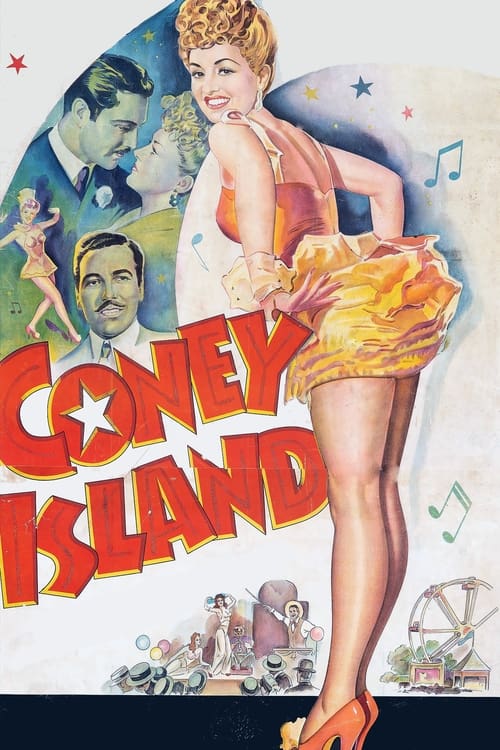
Coney Island
1943
No user ratings available yet
Representation score: 0.4 out of 10
Representation Score
Minimal
1950
ApprovedDirector
Henry Koster
Runtime
92 minutes
Average Rating
No ratings yetNew Showbiz Analysis
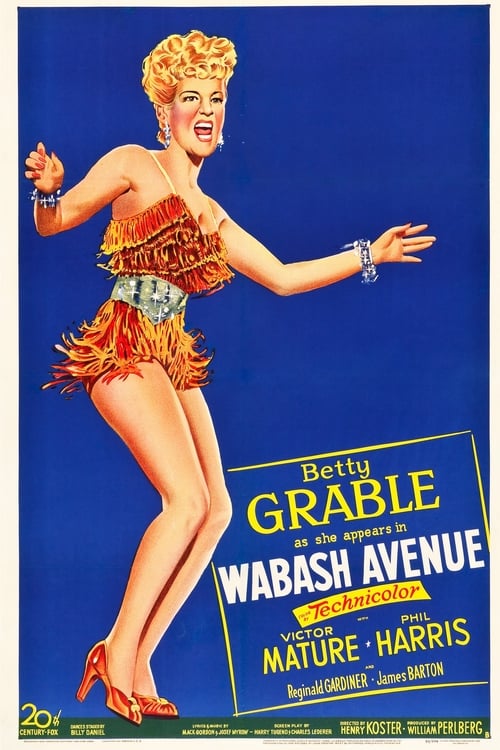
Wabash Avenue functions as a standard musical comedy that reinforces the demographic and social norms of the early 1950s. The story prioritizes traditional hierarchies and conventional romantic resolutions over any meaningful disruption of social clichés. The film lacks depth in representing diverse identities, presenting a largely homogeneous social landscape. While female characters like Ruby Summers possess some professional ability to act, the overarching structure remains rooted in mid-century expectations of courtship and domesticity. Ultimately, the production is a product of its temporal context. It focuses on individual business interests and romantic success within a narrow, Anglo-centric framework that avoids challenging established cultural or racial norms.
Category Breakdown
The film follows a conventional trajectory focused on heterosexual relationships. There is no depiction of LGBTQ+ identities or same-sex intimacy, as the romantic storyline centers around a male protagonist pursuing a female lead.
Ruby Summers provides moderate ability to act through her professional growth. While the plot is driven by a male protagonist, the film offers significant screen time to female social dynamics.
The production features a predominantly homogeneous cast reflecting the era's constraints. The Chicago setting serves as a backdrop for an Anglo-centric narrative lacking characters of color with ability to act.
The narrative reinforces mid-century capitalist and social norms through individualistic pursuits. It adheres to traditional Western structures without offering critiques of institutions or moral relativism.
Characters are depicted within able-bodied archetypes typical of 1950s musical comedies. There are no visible or invisible disabilities portrayed in the narrative.
Present on Screen
Limited or Absent
Official Synopsis
Andy Clark discovers he was cheated out of a half interest in partner Mike's business, now a thriving dance hall in 1892 Chicago. Unable to win it back, Andy schemes to make Mike's position untenable. He also hopes to turn Ruby Summers, Mike's motor-mouthed burlesque queen, into a classier entertainer, and incidentally to make her his own. But at the last minute, Andy's revenge comes unravelled.
1943
1948
1933

1933

1936

1974

1929

1937
No reviews yet. Be the first to share your thoughts on this movie!
Use the rating form above to leave a star rating and optional review.