
Jam Session
1944
No user ratings available yet
Representation score: 1.3 out of 10
Representation Score
Limited
1944
NRDirector
Wallace Fox
Runtime
69 minutes
Average Rating
No ratings yetNew Showbiz Analysis
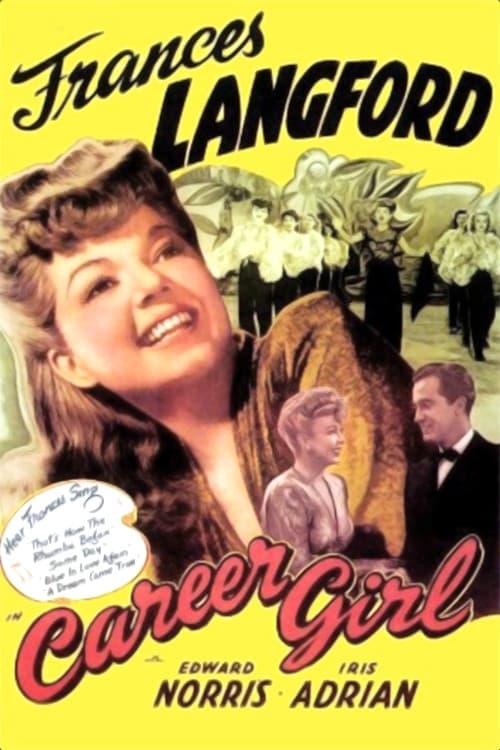
Career Girl is a conventional 1940s musical that adheres strictly to the social norms of its era. While the protagonist pursues professional independence, the narrative remains anchored in traditional gender dynamics and romantic tensions. The film lacks visible racial or LGBTQ+ diversity, reflecting the homogeneous casting norms of the mid-century studio system. The central conflict between career and domesticity is a common cliché of the period. Ultimately, the production functions as a standard genre piece that reinforces existing social structures rather than challenging them.
Category Breakdown
The film follows a traditional romantic conflict between a female protagonist and her fiancé. There is no evidence of same-sex intimacy or non-cisgender identities.
Joan Terry takes control by moving to New York for her career. However, her autonomy is challenged by a fiancé who tries to restrict her professional ambitions.
The narrative focuses on a localized social group in a New York boarding house. It lacks evidence of diverse representation or non-white characters.
The story operates within a standard mid-century Western framework. It emphasizes individual professional ambition and romantic duty rather than critiquing social structures.
The film contains no mention of characters navigating physical, sensory, or neurodivergent experiences.
Present on Screen
Limited or Absent
Official Synopsis
Joan Terry, from Kansas City, comes to New York to get a job on the stage. But until she finds an opportunity, she stays at a boarding house where other talent is also waiting. To get a better chance, the people there decide to build a talent pool, where the person with the most chances for a job gets the full support, trying to get jobs for the others there too - and Joan is chosen to do that. But this is not so easy when her fiance is trying to keep her away from the stage...
1944
1937
1936
1946
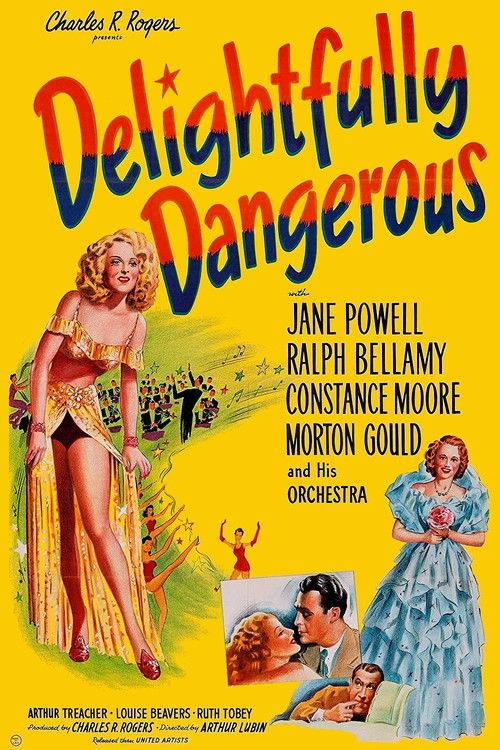
1945

1940
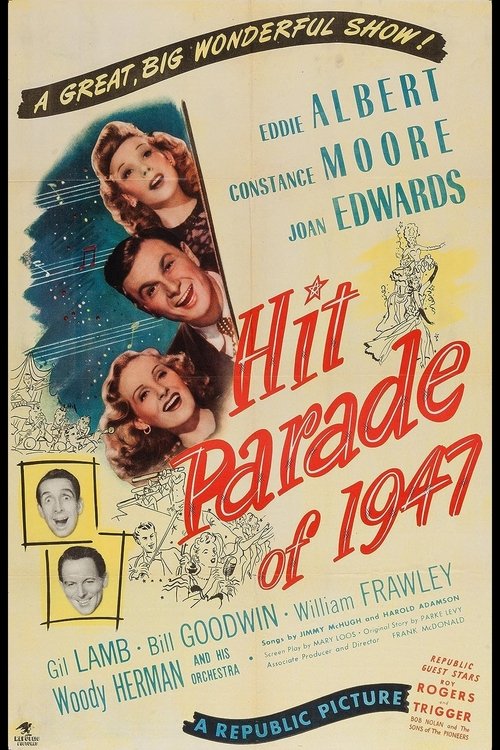
1947

1943
No reviews yet. Be the first to share your thoughts on this movie!
Use the rating form above to leave a star rating and optional review.