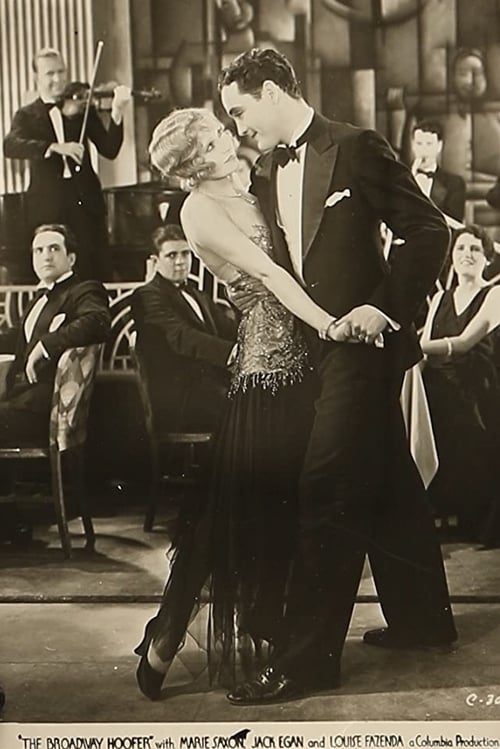
The Broadway Hoofer
1929
No user ratings available yet
Diversity score: 3.1 out of 10

1935
6Director
Victor Janson
Runtime
93 minutes
Average Rating
No ratings yetSynopsis
A singer tired of the stage retreats to a hotel in the country. There, she finds love and a way back into show business.
Overall Score
Limited
Category Breakdown
LGBTQ+ Representation
The film lacks any evidence of non-heteronormative identities. The focus on finding love in a country setting suggests a strictly traditional romantic framework.
Gender Representation
While the film centers on a female protagonist, her journey relies on traditional tropes. Her professional exhaustion is resolved through romantic love rather than independent agency.
Racial & Ethnic Diversity
The production adheres to the homogeneous casting standards of 1935 Germany. There is no indication of intersectional casting or non-European identities.
Religious & Cultural Diversity
The narrative operates within traditional Western entertainment values. It focuses on individual emotional journeys rather than critiquing religious or social institutions.
Disability Representation
There is no evidence of characters with visible or invisible disabilities within the film's documentation.
Strengths
Areas for Improvement
AI Analysis
Die blonde Carmen is a period-specific musical comedy that prioritizes conventional social roles and romantic ideals. The narrative follows a restorative trajectory common to 1930s escapist cinema, focusing on a performer's return to her vocation through romantic entanglement. While the film provides visibility for a female lead, her agency is limited by a plot that ties emotional fulfillment to romantic stability. The film functions as a product of its era, reinforcing established hierarchies rather than subverting them. Ultimately, the work lacks diversity in terms of identity, race, and social critique, serving instead as a standard example of mid-1930s commercial entertainment.
1929
1950
1933
1946
1932
1932
1948
1944
1931
1931

1933
1929
No reviews yet. Be the first to share your thoughts on this movie!
Use the rating form above to leave a star rating and optional review.