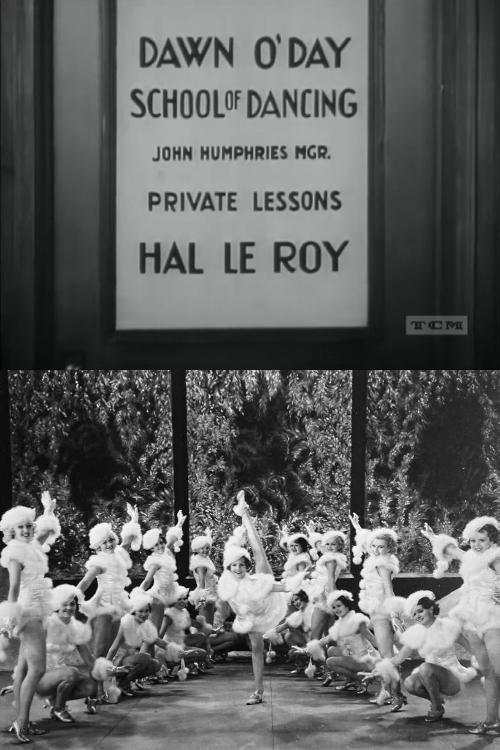
Private Lessons
1934
No user ratings available yet
Diversity score: 2.8 out of 10
No Poster Available
1932
PassedDirector
Roy Mack
Runtime
22 minutes
Average Rating
No ratings yetSynopsis
Ruth Eton (Ruth Etting), a singer with a traveling show troupe, is engaged to the troupe manager, Joe Grant (Edward Leiter), but when Ruth's younger sister, Laura (Wanda Perry) arrives, fickle Joe transfers his attentions and intentions to her. For the sake of her sister and the show, Ruth accepts her tough break philosophically, and sings "Why Did It Have To Be Me?"...because she is a real trouper.
Overall Score
Limited
Category Breakdown
LGBTQ+ Representation
The film centers on a heterosexual love triangle between Ruth, Joe, and Laura. It lacks any depiction of non-cisnormative identities or same-sex intimacy.
Gender Representation
Ruth shows emotional resilience by accepting her heartbreak philosophically. However, the plot remains driven by male desire and reinforces traditional romantic hierarchies.
Racial & Ethnic Diversity
The production features a homogeneous cast typical of early 1930s studio musicals. There is no evidence of non-white or intersectional character depth.
Religious & Cultural Diversity
The story promotes conventional Western values of family loyalty and self-sacrifice. It operates strictly within the established social mores of the era.
Disability Representation
The narrative contains no visible or invisible depictions of characters with disabilities.
Strengths
Areas for Improvement
AI Analysis
A Regular Trouper is a product of its time, functioning as a standard musical that adheres to the conventional social frameworks of 1932. The narrative relies heavily on traditional romantic tropes and heteronormative structures, offering little in the way of systemic subversion. While the protagonist displays a degree of stoicism and strength, the central conflict is ultimately dictated by male whims. The film reinforces established hierarchies rather than challenging them, presenting a homogeneous view of the world common to early sound-era cinema.
1934
1935
1938
1933
1939
1934
1946
1930
1938

1935
1929
1934
No reviews yet. Be the first to share your thoughts on this movie!
Use the rating form above to leave a star rating and optional review.