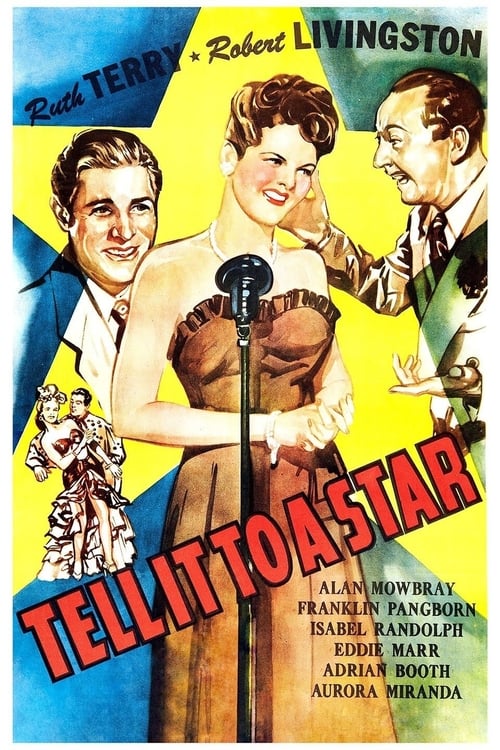
Tell It to a Star
1945
No user ratings available yet
Diversity score: 1.6 out of 10
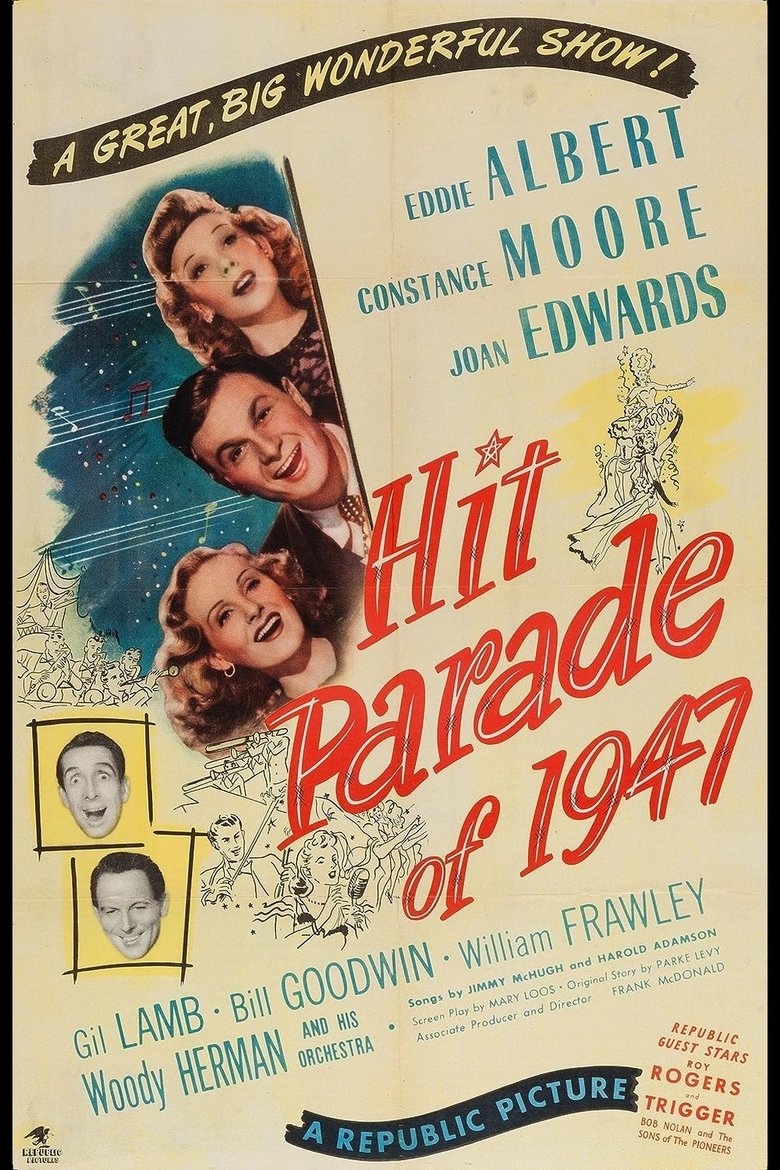
1947
ApprovedDirector
Frank McDonald
Runtime
90 minutes
Average Rating
No ratings yetSynopsis
Four young performers form an act and get a job in a nightclub. Before long, one of them gets the idea that the act is all about him, and his changes to the act, to reflect his own ego, causes the quartet to get fired. Later, all make good in other areas of show business...stage, radio and motion pictures.
Overall Score
Minimal
Category Breakdown
LGBTQ+ Representation
The film contains no discernible presence of non-cisnormative identities. Performances and sketches follow standard heteronormative expectations of the era.
Gender Representation
Female performers occupy traditional 1940s archetypes as vocalists or dancers. The film lacks significant subversion of gender hierarchies or female agency.
Racial & Ethnic Diversity
The cast is largely homogeneous and reflects standard Anglo-centric casting practices. There is no intentional effort toward racial integration or diverse ethnic perspectives.
Religious & Cultural Diversity
The film celebrates mainstream, mid-century American commercial entertainment. It reinforces traditional Western values and aspirational lifestyles without critiquing established institutions.
Disability Representation
There is no visible or invisible representation of disability. Performers are presented through a lens of conventional physical ability.
Strengths
Areas for Improvement
AI Analysis
Hit Parade of 1947 functions as a standard musical revue, prioritizing commercial entertainment over character-driven social commentary. The film adheres strictly to the social hierarchies and entertainment tropes of the late 1940s. Casting and narrative choices reflect a period where representation was confined to dominant social groups. The work offers minimal intersectional depth, serving instead as a showcase for mainstream musical talent within a highly standardized framework.
1945
1946

1942
1943
1947
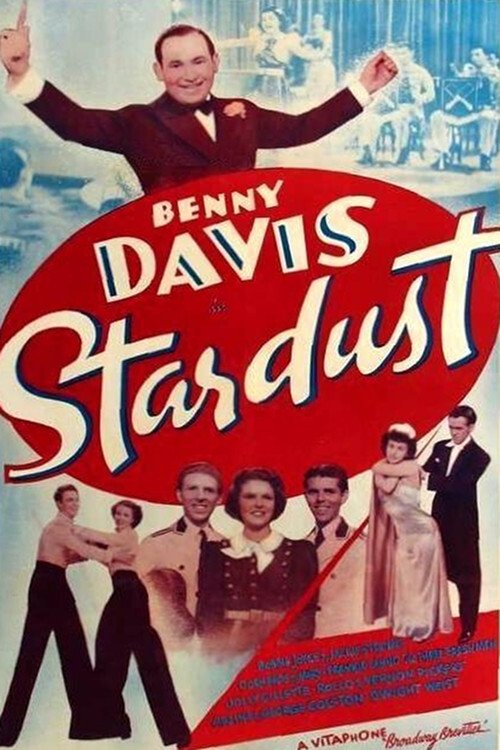
1938
1941
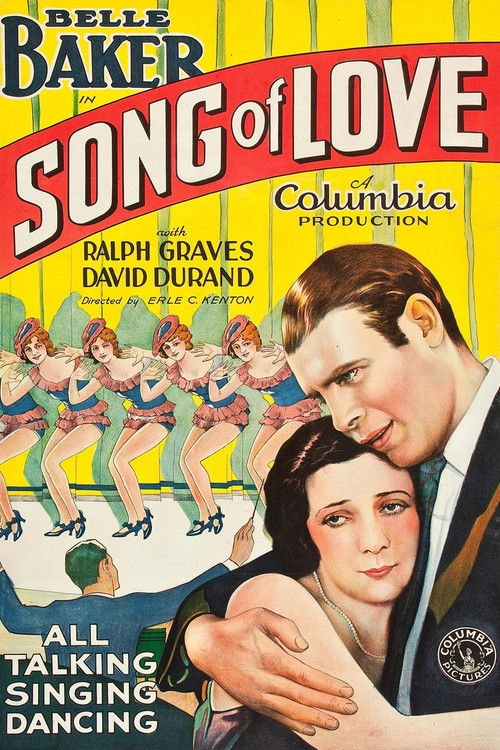
1929
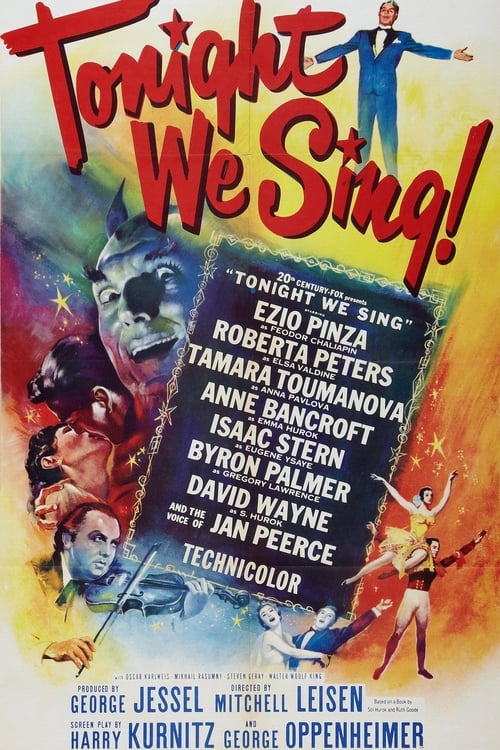
1953
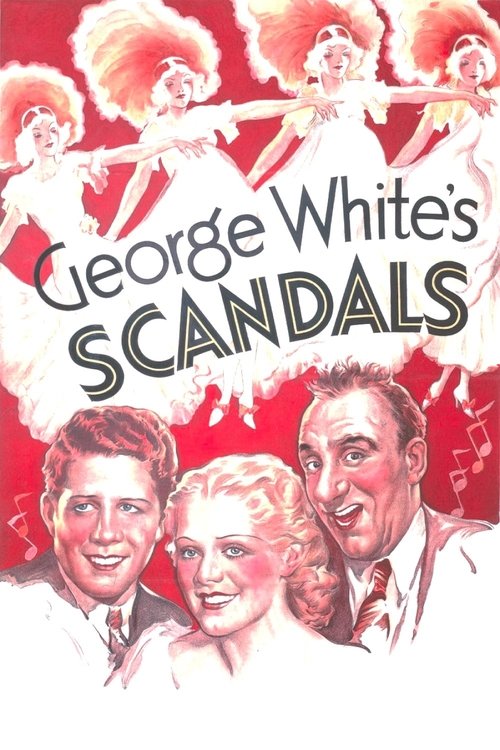
1934
1947
1932
No reviews yet. Be the first to share your thoughts on this movie!
Use the rating form above to leave a star rating and optional review.