
Say It with Songs
1929
No user ratings available yet
Representation score: 1.2 out of 10
Representation Score
Minimal
1938
ApprovedDirector
Will Jason
Runtime
21 minutes
Average Rating
No ratings yetNew Showbiz Analysis
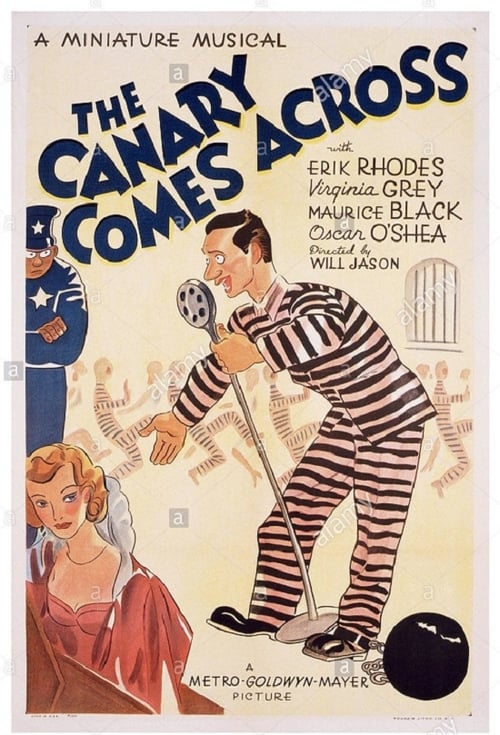
The Canary Comes Across is a typical 1938 musical that operates within the conventional social structures of its time. The narrative focuses on individualistic clichés, such as professional jealousy and romantic rivalry, rather than exploring broader social issues. character's ability to drive the story is largely tied to traditional hierarchies. While female characters have social influence through musical leadership, their roles remain secondary to the central male conflict. The film lacks any significant effort to disrupt the established norms of the period. Ultimately, the production reflects the homogeneous and straight-centered standards of the late 1930s studio system, offering a character-driven story without systemic critique or diverse representation.
Category Breakdown
The film follows the heterosexual and cisgender norms of 1938. The plot revolves around a romantic rivalry between the male protagonist and the warden's daughter.
Ann leads the prison glee club, but her role is defined by her relationships with the male leads. The narrative emphasizes male jealousy and rivalry.
The story does not mention a diverse cast or non-Anglo-Saxon characters. It seems to reflect the homogeneous casting standards of the era.
The film uses a prison and musical stage as backdrops for personal drama. It does not critique Western institutions or systemic structures.
There are no characters with physical, sensory, or neurodivergent disabilities in this musical drama.
Present on Screen
Limited or Absent
Official Synopsis
A prisoner with a good singing voice escapes, only to grow jealous when an opera singer who looks like him is delivered back to the prison and receives attention, especially from Ann, the warden's daughter who leads the prison glee club.
1929
1932

1942
1933

1938
1935
1941

1948
No reviews yet. Be the first to share your thoughts on this movie!
Use the rating form above to leave a star rating and optional review.