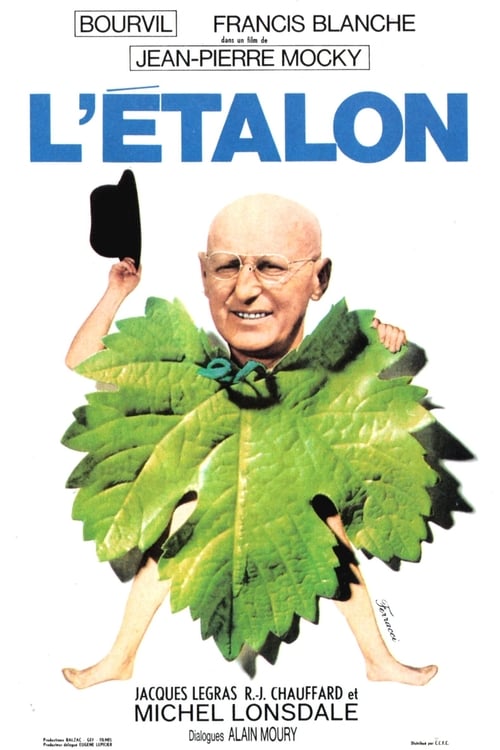
The Stud
1970
No user ratings available yet
Diversity score: 3.7 out of 10
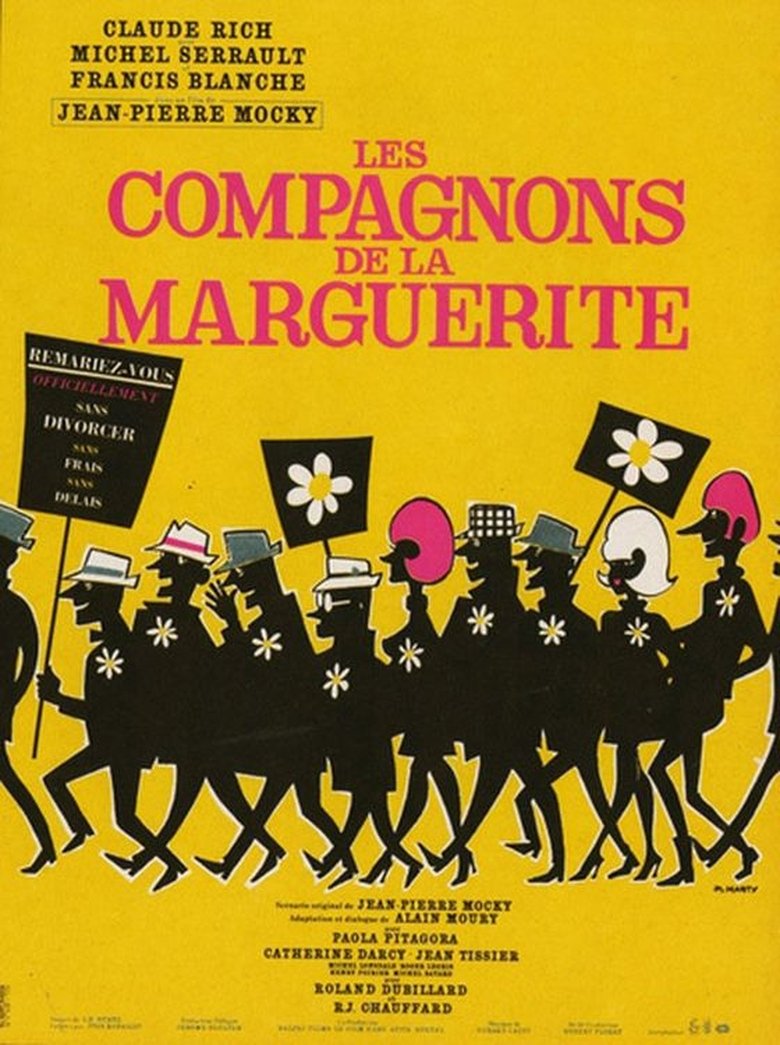
1967
Director
Jean-Pierre Mocky
Runtime
90 minutes
Average Rating
No ratings yetSynopsis
Matou is an innocuous, gentle-looking man. He is married to a formidable, even a frightening woman, who is as dissatisfied with him as he is with her. He knows everything there is to know about restoring and authenticating manuscripts, particularly ancient ones, through his job at the museum. One day, it occurs to him that his skills could be put to use in a more personal way, and he embarks on a private career of re-arranging the documents of people who have had the misfortune to be married to the wrong people.
Overall Score
Fair
Category Breakdown
LGBTQ+ Representation
The film focuses on the friction within a traditional marriage. There is no explicit depiction of queer identities or non-heteronormative domestic structures.
Gender Representation
The story subverts masculine archetypes by featuring a formidable, dominant female lead. Matou is portrayed as an innocuous, gentle man, shifting domestic agency toward the wife.
Racial & Ethnic Diversity
The production reflects the demographic homogeneity typical of 1967 European comedies. There is no evidence of significant racial blending or non-white casting.
Religious & Cultural Diversity
The narrative explores moral relativism by framing forgery as a tool for personal liberation. It critiques the stability of social contracts and traditional institutions.
Disability Representation
There are no visible or invisible disabilities portrayed that impact the narrative arc or character agency.
Strengths
Areas for Improvement
AI Analysis
Order of the Daisy functions as a satirical disruption of social decorum. It finds its strength in subverting traditional gender hierarchies and questioning the integrity of institutional structures through its protagonist's deceptive professional skills. However, the film remains limited by the demographic homogeneity of its era. It lacks meaningful representation of LGBTQ+ identities or racial diversity, focusing instead on a narrow, traditional domestic conflict. Ultimately, the film occupies a transitional space. It trades conventional moral codes for situational ethics, offering a critique of social stability while remaining within a relatively homogenous cultural framework.
1970
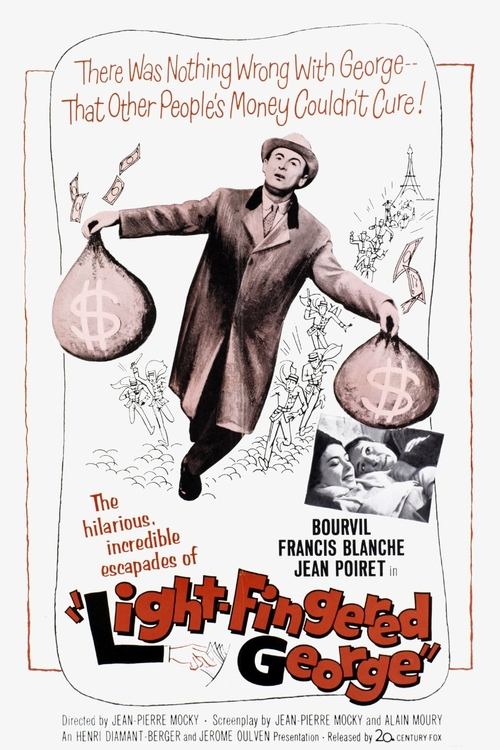
1963
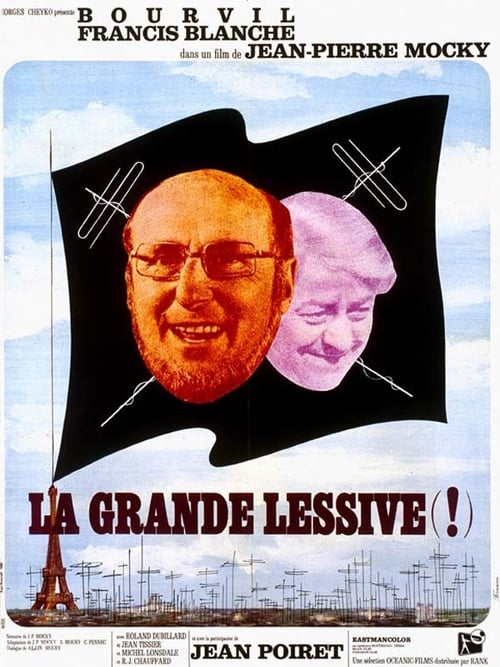
1968

1976
1973
1961
1977
1959

2016

2006
1937
1964
No reviews yet. Be the first to share your thoughts on this movie!
Use the rating form above to leave a star rating and optional review.