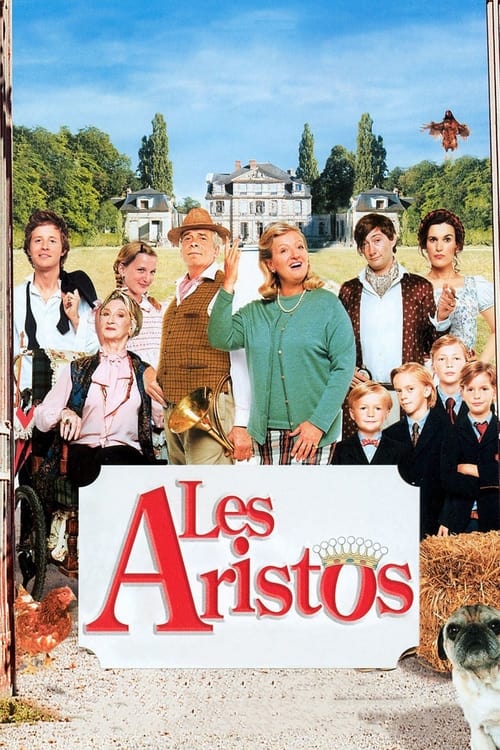
Les Aristos
2006
No user ratings available yet
Representation score: 2.1 out of 10
Representation Score
Limited
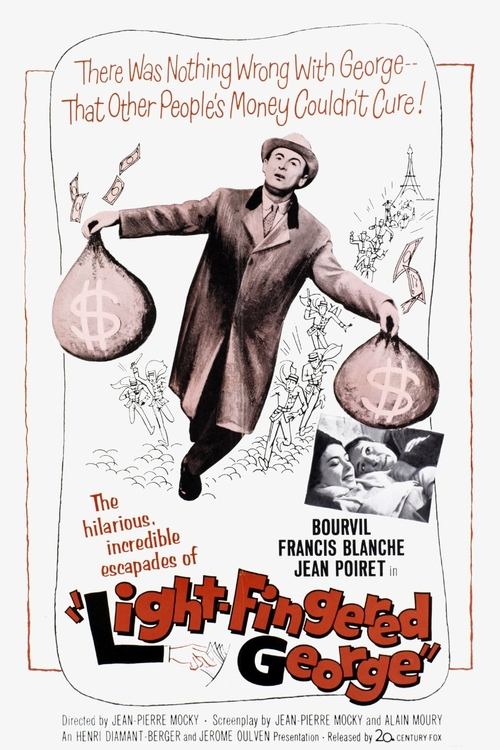
1963
Not RatedDirector
Jean-Pierre Mocky
Runtime
92 minutes
Average Rating
No ratings yetNew Showbiz Analysis
Jean-Pierre Mocky’s satire focuses on dismantling the moral hypocrisy of the ruling class and the sanctity of provincial institutions. The film prioritizes the deconstruction of social hierarchies and traditional authority over the representation of specific identity groups. While the film lacks modern markers of demographic diversity, such as LGBTQ+ or racial representation, it excels in its cultural critique. It employs moral relativism to challenge the integrity of traditional authority and class-based structures. Ultimately, the film serves as a social satire of provincial corruption rather than a vehicle for multi-layered identity politics.
Category Breakdown
The film doesn't include any visible LGBTQ+ characters or explore non-straight identities. It follows the social norms of its 1963 setting.
Characters are portrayed using mid-century gender stereotypes. There's no attempt to challenge traditional gender roles or masculinity.
The film reflects the predominantly white demographics typical of French cinema from the early 1960s. There are no significant non-white characters.
The film criticizes the moral decay of the aristocracy and uses satire to question the sanctity of provincial institutions.
There are no prominent depictions of characters with physical disabilities or neurodivergent conditions. Such identities don’t play a central role in the plot.
Present on Screen
Limited or Absent
Official Synopsis
Georges Lachaunaye is a member of an impoverished aristocratic family which needs money to live but of course doesn't want to work for it. He therefore has to think of something drastic in order for the family to survive. And then it comes to him: he'll rob the collection boxes in churches.
2006

1967

1966
1932
1974

1954

1973

1958
No reviews yet. Be the first to share your thoughts on this movie!
Use the rating form above to leave a star rating and optional review.