
La Parisienne
1957
No user ratings available yet
Representation score: 0.6 out of 10
Representation Score
Fair
1959
Director
Clément Duhour
Runtime
90 minutes
Average Rating
No ratings yetNew Showbiz Analysis
The film functions as a comedic deconstruction of traditional social structures, particularly the sanctity of marriage and patriarchal authority. By portraying the male lead as inadequate and the family unit as hypocritical, it moves away from rigid 1950s moralism. However, the film remains limited by its era's demographic constraints. The focus on a homogeneous French aristocratic class results in a significant lack of racial and ethnic diversity. While the film subverts gender and cultural norms, the absence of explicit queer identities and the lack of disability representation keep the overall score moderate.
Category Breakdown
The character Labaule challenges traditional domesticity by repeatedly intruding on the newlyweds' privacy. Although Labaule's specific identity is not explicitly stated, the narrative focuses on subverting conventional domestic life.
The film challenges traditional patriarchal hierarchies by centering Paulette's anxieties and depicting the Comte de Trivelin as an ineffective figure. This subverts the stereotype of the dominant, capable male leader.
The story focuses on a homogeneous social stratum of French aristocracy. There is no evidence of non-white casting or the integration of diverse ethnic identities.
The narrative critiques traditional Western institutions and Christian morality through themes of hypocrisy. It prioritizes secular, transactional social dynamics over rigid moral hierarchies.
No characters are depicted with visible or invisible disabilities. A character's visit to a psychiatrist serves as a plot device rather than a focused representation of mental health.
Present on Screen
Limited or Absent
Official Synopsis
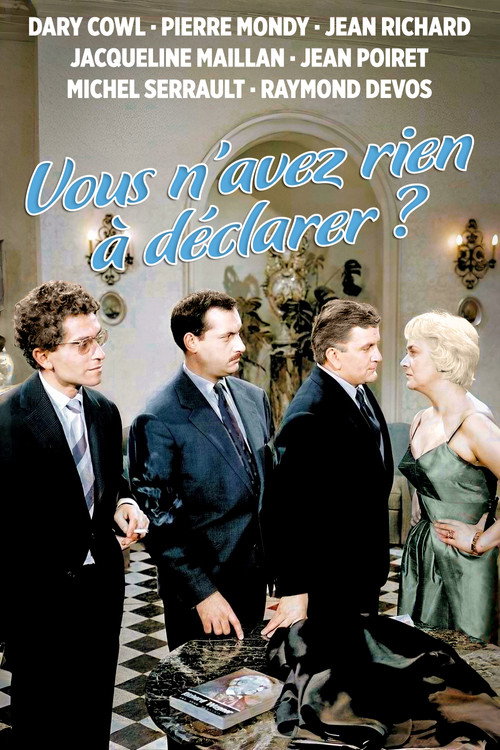
Married against her will to the Comte de Trivelin, Paulette Dupont shares her anxieties with her childhood friend Labaule. Warned too late to prevent the ceremony from taking place, Labaule follows the couple on their honeymoon and prevents the consummation of the marriage by repeatedly intruding on the couple's privacy. Put on notice by Paulette's parents to consummate the marriage, Trivelin - who believes himself to be at fault - consults a psychiatrist. The latter advises him to visit a lady of lesser virtue: Gloria. But Gloria's clientele includes Dupont himself - Paulette's father - and Labaule!
1957
1961
1964
1969
1951

1952
1966
1976
No reviews yet. Be the first to share your thoughts on this movie!
Use the rating form above to leave a star rating and optional review.