
Hello Smile!
1956
No user ratings available yet
Representation score: 1.8 out of 10
Representation Score
Fair
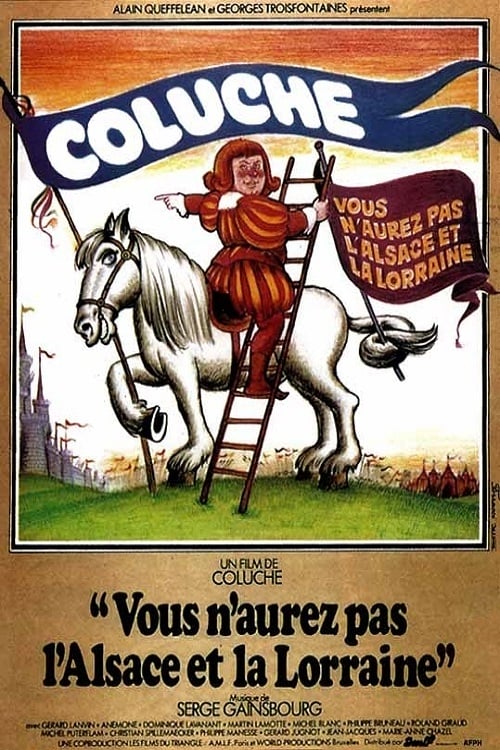
1977
Director
Marc Monnet, Coluche
Runtime
92 minutes
Average Rating
No ratings yetNew Showbiz Analysis
This comedy serves as a social commentary, using satire to critique monarchical authority and traditional masculine leadership roles. However, the film lacks diversity in its representation of race and ethnicity, focusing on a homogeneous European cast. Additionally, LGBTQ+ elements are used as period satire rather than deep explorations of identity. Overall, the film excels as a political satire that challenges established structures but remains limited in its demographic diversity.
Category Breakdown
The film includes a subplot where the Queen and the court jester have a romantic relationship, which challenges traditional expectations of the monarchy and destabilizes the idea that everyone is straight or cisgender.
The film challenges traditional gender roles by showing the King as ineffective, while the Queen and Lucienne play significant roles in driving the story forward.
The story focuses on a homogeneous European cast within a traditional Western historical setting. There is no evidence of racial blending or non-white representation in the narrative.
The movie uses satire to criticize Western institutions, portraying the monarchy as corrupt and debauched. It also depicts ministers conspiring to overthrow the King, challenging centralized power structures.
The film does not portray any physical or neurodivergent disabilities.
Present on Screen
Limited or Absent
Official Synopsis
Whilst King Gros Pif I amuses himself at debauched banquets, his musketeers pursue their tax-collecting duties with a malicious zeal. Goaded by the court jester (who is also the Queen’s lover), the ministers decide to put an end to this regime and have the King locked up. Hearing the news, the famous Chevalier Blanc comes to his rescue. Aided by the knight and his cousin Lucienne, the King flees to Flanders, where he devises a scheme to win him back the throne of France...
1956
1971
1963

1966
1988
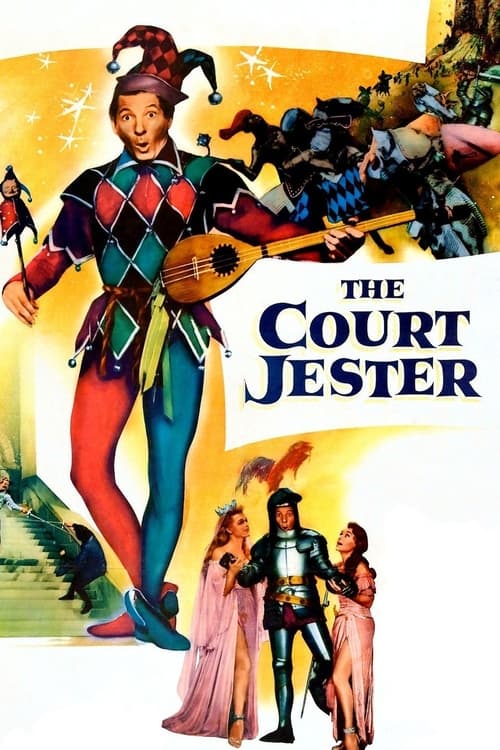
1955
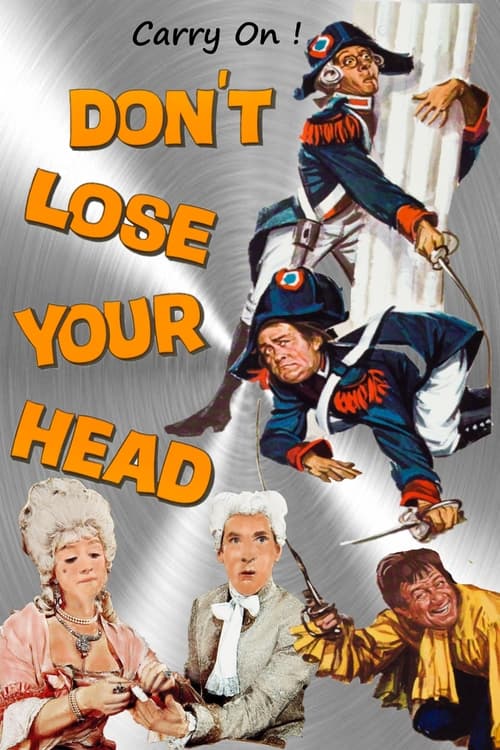
1967
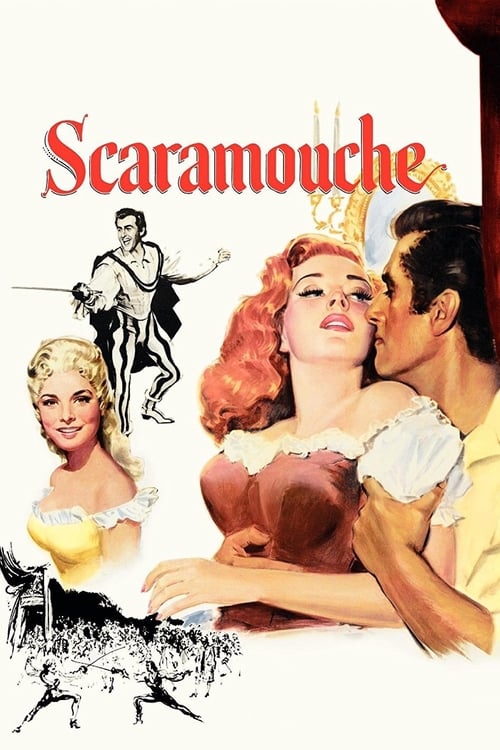
1952
No reviews yet. Be the first to share your thoughts on this movie!
Use the rating form above to leave a star rating and optional review.