
Easiest Profession
1957
No user ratings available yet
Representation score: 1.4 out of 10
Representation Score
Fair
1964
Director
Philippe de Broca
Runtime
92 minutes
Average Rating
No ratings yetNew Showbiz Analysis
Philippe de Broca’s comedy subtly disrupts social norms through its portrayal of a protagonist driven by whims rather than duty. By presenting a man who rejects the traditional role of a productive citizen, the film avoids the common cliché of 1960s cinema. While the film lacks demographic diversity in terms of race and LGBTQ+ representation, it succeeds in critiquing the era’s emphasis on economic stability and the sanctity of the traditional family unit. Ultimately, the film’s diversity lies in its eccentric character-driven narrative rather than its casting.
Category Breakdown
The film does not include explicit representations of LGBTQ+ identities or relationships. It focuses on the protagonist's fleeting romances without any indication of same-sex intimacy.
The protagonist subverts mid-century masculine stereotypes by being an aimless layabout rather than a stable provider. However, female characters may lack independent roles and influence the plot primarily through their interactions with the male lead.
The casting leans towards a homogeneous European demographic with no significant racial diversity or non-white majority casting evident.
The narrative challenges capitalist values by focusing on a character who rejects steady employment. It emphasizes individualistic experiences and situational ethics over rigid social or religious structures.
The film does not depict any characters with physical or neurodivergent disabilities. There are no notable mentions of characters with these specific traits.
Present on Screen
Limited or Absent
Official Synopsis
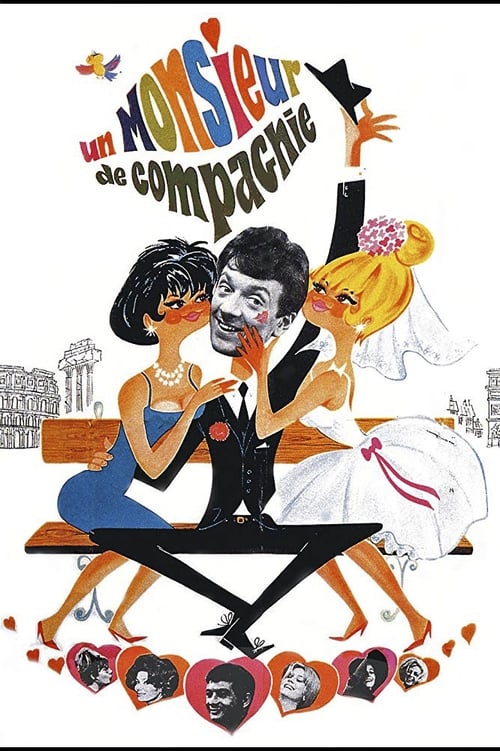
A dedicated layabout (Jean-Pierre Cassel) bounces from relationship to relationship, moving on only when the prospect of employment presents itself.
1957

1968

1961

1968
1974
1937
1973
1982
No reviews yet. Be the first to share your thoughts on this movie!
Use the rating form above to leave a star rating and optional review.