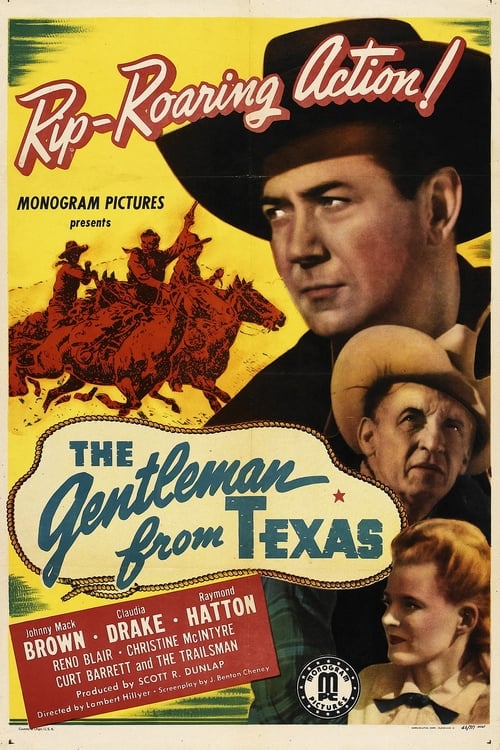
The Gentleman from Texas
1946
No user ratings available yet
Representation score: 1.0 out of 10

Representation Score
Minimal
1947
ApprovedDirector
Lambert Hillyer
Runtime
54 minutes
Average Rating
No ratings yetNew Showbiz Analysis
Land of the Lawless is a typical 1947 B-movie Western that follows strict social norms. While it avoids progressive themes, it slightly deviates from gender norms by featuring a powerful female antagonist. However, this deviation is limited, as her power is used to define her as a villain. The racial makeup remains largely unexplored, sticking to the period’s typical types. The film serves as a tale of order overcoming corruption.
Category Breakdown
The film sticks to the typical gender roles of the 1940s. There is no indication of non-straight or non-cisgender identities or same-sex relationships.
Kansas City Kate stands out as a strong, criminal leader, breaking the usual gender stereotypes. However, her role is framed as villainous, which is common for the time.
The cast seems mostly white, following the typical Anglo-Saxon types of the era. A 'Cherokee Kid' is mentioned, but it’s unclear if this character adds meaningful diversity or just falls into ethnic stereotypes.
The story follows a traditional path of restoring justice. It upholds the existing social and legal systems without questioning Western institutions or moral divisions.
The film doesn’t show or mention any characters with physical or cognitive disabilities.
Present on Screen
Limited or Absent
Official Synopsis
Johnny Mack Brown goes up against a female boss villain in this unusual Western from Monogram. Hired to look into dirty dealings in the town of Medicine Flats, Johnny learns that Kansas City Kate (Christine McIntyre), the owner of the Golden Spur Saloon, has been waging a war against local prospectors, one of whom is found murdered. Not appreciating Johnny's interference, Kate has her henchman Cameo (Tristram Coffin) take a shot at him and when that fails, hires a notorious gunslinger, the Cherokee Kid (I. Stanford Jolley).
1946
1947
1947
1941
1946
1948
1946
1948
No reviews yet. Be the first to share your thoughts on this movie!
Use the rating form above to leave a star rating and optional review.