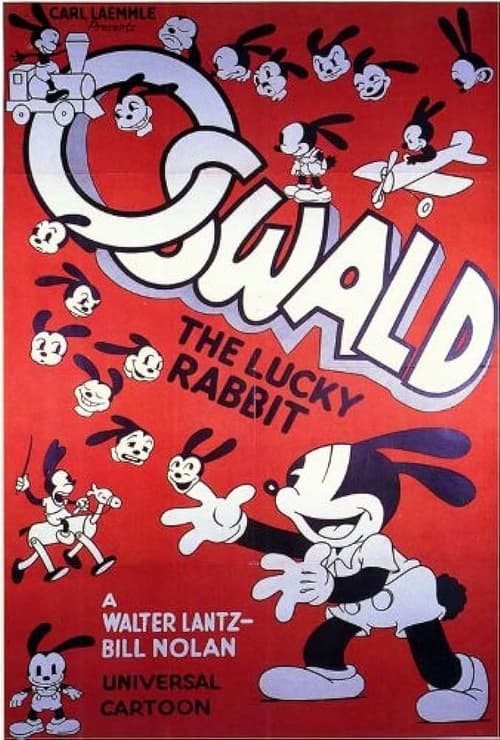
The Zoo
1933
No user ratings available yet
Representation score: 1.3 out of 10
No Poster Available
Representation Score
Minimal
1934
ApprovedDirector
William Nolan
Runtime
7 minutes
Average Rating
No ratings yetNew Showbiz Analysis
Spring in the Park is an early American animated film that prioritizes slapstick comedy over character development. Its narrative structure follows the episodic gag sequences typical of 1930s animation, focusing more on humor than social commentary. The film operates within the socioeconomic and gendered conventions of its time, lacking the subversive elements or critical views found in more contemporary animation. Overall, the work reflects a traditional approach to storytelling, adhering to the social standards of the early 20th century.
Category Breakdown
The film includes a brief interaction between Oswald and a maid, but there is no indication of LGBTQ+ identities or same-sex relationships.
The inclusion of a maid character reinforces traditional gender roles and labor divisions of the 1930s.
The film does not provide specific details about racial or ethnic identities. The maid role suggests socioeconomic differences but does not specify racial backgrounds.
The park and zoo setting reflects a typical Western social environment of the time. The film adheres to the social norms of its era.
The film does not include any characters with visible or invisible disabilities, making it difficult to assess representation in this area.
Present on Screen
Limited or Absent
Official Synopsis
Oswald is making time with a maid out wheeling a baby about the park zoo when Pete cuts in.
1933
1934
1935
1935
1932
1934
1936
1931
No reviews yet. Be the first to share your thoughts on this movie!
Use the rating form above to leave a star rating and optional review.