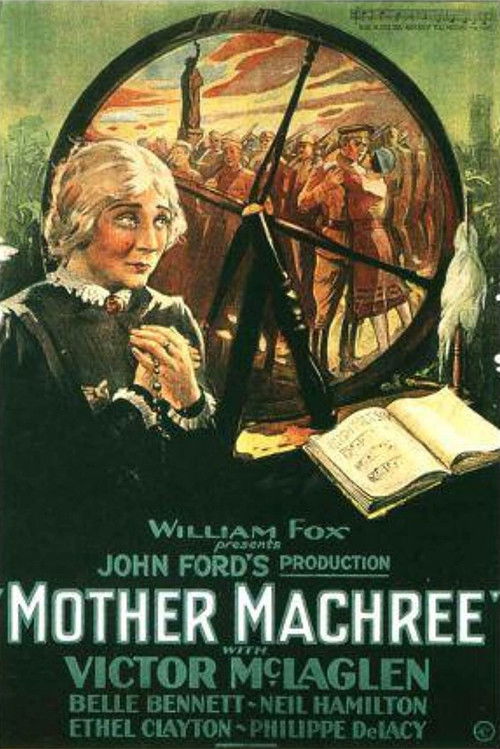
Mother Machree
1927
No user ratings available yet
Representation score: 3.4 out of 10
Representation Score
Fair
1932
PassedDirector
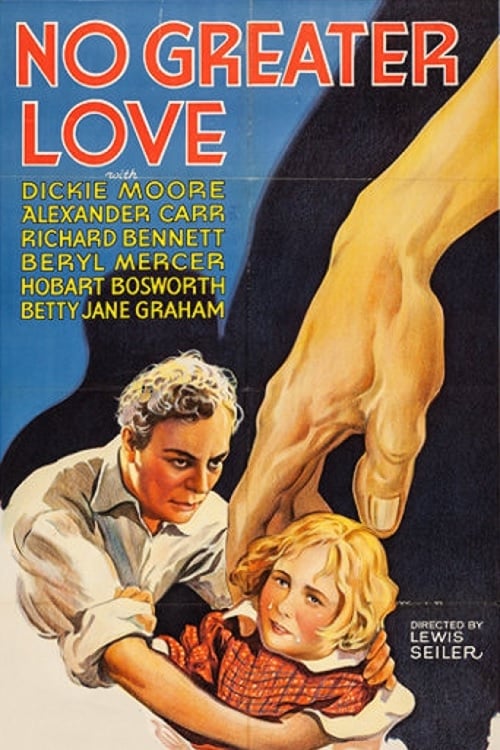
Lewis Seiler
Runtime
59 minutes
Average Rating
No ratings yetNew Showbiz Analysis
No Greater Love examines the intersection of diverse ethnic and physical identities through an unconventional family structure. By focusing on a Jewish man adopting an Irish girl, the film challenges the era's typical depictions of ethnic isolation and social uniformity. However, the film adheres to the period's traditional gender hierarchies. Female characters often serve as catalysts for male development rather than having independent ability to act, and there is no LGBTQ+ representation. Ultimately, the film excels as a character study of empathy and disability inclusion, even though it does not fully deconstruct broader societal norms.
Category Breakdown
The film does not include any LGBTQ+ characters or narratives. Social and romantic structures are confined to the conventions of the early 1930s.
The story focuses mainly on male characters. Although Mildred is emotionally central, she is defined by her role as a recipient of care rather than as an independent driver of the story.
The story breaks down ethnic isolation by featuring a Jewish protagonist who adopts an Irish girl. This cross-cultural domestic arrangement highlights the tension between individual ability to act and social prejudice.
The narrative emphasizes personal compassion over strict religious adherence. It functions as a character study in empathy rather than a critical look at Western institutions.
Mildred is shown with a physical disability. Her condition is used to explore themes of unconditional care and the formation of a chosen family.
Present on Screen
Limited or Absent
Official Synopsis
Owing more than just a passing nod to "Abie's Irish Rose," a kindly Jewish delicatessen owner in New York City, Sidney Cohen, adopts a young, crippled Irish girl, Mildred, with much opposition from many quarters.
1927
1927

1936

1937

1939

1932

1938

1920
No reviews yet. Be the first to share your thoughts on this movie!
Use the rating form above to leave a star rating and optional review.